Early Signs of Tooth Decay You Shouldn’t Ignore
Early Signs of Tooth Decay You Shouldn’t Ignore
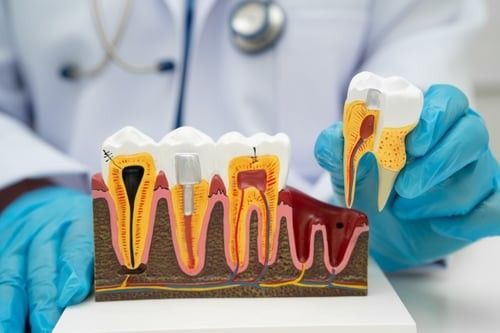
Tooth decay is a common dental concern, but it often begins with subtle symptoms that are easy to overlook. Catching these early warning signs may prevent more serious damage, discomfort, and costly treatments. At Patriot Family Dental, we believe in noticing early indicators of decay to protect your long-term oral health and maintain a self-assured smile.
Tooth Sensitivity to Hot, Cold, or Sweets
One of the freshest signs of tooth decay is increased sensitivity. You may notice discomfort when drinking hot coffee, eating ice cream, or eating sugary foods. This happens when enamel weakens, exposing the tooth's sensitive inner layers.
If sensitivity lingers or becomes frequent, it’s important to have it evaluated. Early treatment can fortify enamel and prevent further breakdown.
White Spots or Discoloration
Tooth decay doesn’t always start as a dark cavity. Early decay often appears as white, chalky spots on the tooth surface. These areas indicate enamel mineral loss.
As decay progresses, these spots may darken to brown or black. Addressing tooth color changes early allows for less invasive treatments and better outcomes.
Persistent Bad Breath
Bad breath that doesn’t improve with brushing, flossing, or mouthwash may be more than a temporary issue. A lingering odor can be caused by bacterial buildup from plaque and early decay.
When bacteria decompose food particles in the mouth, they release odors that regular hygiene may not eliminate if decay is present.
Mild Toothache or Discomfort
Tooth pain doesn’t always start suddenly or intensely. Decay often begins with mild, occasional discomfort that may come and go. This can include a dull ache, slight pressure when chewing, or sensitivity in a specific area.
Even minor pain is worth noting. Addressing it early may prevent the need for complex procedures later.
Visible Pits or Rough Spots
As enamel weakens, small pits, holes, or rough areas may develop on the tooth surface. You might feel these with your tongue or notice them when flossing.
These areas can trap food and bacteria, accelerating decay. A dental exam can determine whether these spots require treatment.
Bleeding or Irritated Gums Near a Tooth
While gum irritation is typically related to gum disease, it can also occur near a decaying tooth. Inflammation in a specific area may indicate that bacteria are damaging both the tooth and the surrounding gum tissue.
Healthy gums are an important part of preventing and diagnosing dental issues early.
How to Prevent Tooth Decay from Progressing
• Brush at least two times a day using fluoride toothpaste
• Floss daily to remove bacteria between teeth
• Limit sweet treats and acidic beverages
• Drink water during the day to help rinse away bacteria
• Schedule regular dental checkups and cleanings
Early action is the best defense against tooth decay. Small differences in your oral hygiene routine can help protect your teeth.
Protect Your Smile with Early Detection
Tooth decay doesn’t have to lead to serious dental problems if it’s caught early. Paying attention to subtle changes, such as sensitivity, discoloration, or mild discomfort, can help you act before cavities worsen.
At Patriot Family Dental, we focus on preventative care and early detection to keep your smile healthy and strong. If you’ve noticed any of these warning signs, scheduling a dental visit is an important step to maintain your oral health and avoid future complications.