How to Care for Your Tooth after Extraction | Clarksville, TN

April 11, 2022

Are you in a lot of pain from having your teeth pulled? Practicing proper aftercare can help you manage the pain better. 


Caring for your extracted tooth socket can seem scary and complicated. Our article helps break down everything you need to know about tooth extractions and the proper aftercare routine you need to follow. Keep reading to learn more!


What is Tooth Extraction?

A tooth extraction, or getting your teeth pulled, is a dental procedure where your tooth is removed completely from its socket. While permanent teeth are meant to last for a lifetime, there are some instances where they need to be removed from your mouth to ensure long-term dental health. 


Tooth extractions are a common dental procedure among adults. People need to get their teeth pulled for various reasons, ranging from decayed teeth to a crowded mouth.


When Do You Need Tooth Extraction?

If you’re experiencing any of the following conditions, your dentist might recommend a tooth extraction. 


  • Cavities 
  • Crowded mouth
  • A fractured tooth
  • An impacted tooth
  • Severe gum diseases
  • Tooth luxation


Your dentist will always try to preserve your natural teeth using restorative methods before resorting to extraction. When restorative procedures such as dental fillings, root canals, and crown fittings do not work, tooth extraction is your only option to ensure oral health.


Aftercare for a Tooth Extraction

Aftercare for tooth extractions varies depending on the complexity of your condition and the location of your tooth. However, you can expect the area to heal within seven to ten days. Most people find that their pain goes down after three days. 


It is important to maintain the blood clot that forms in the socket where your teeth used to be. Caring for this blood clot is vital to your recovery process as it helps prevent worse complications like dry socket.


General Extraction Aftercare Practices to Heal Faster


  • Get plenty of rest after your extraction, especially for the first 24 hours. Limit your physical activities for the next couple of days until the pain subsides. 
  • Leave the initial gauze pad in place for at least three to four hours after the procedure to allow the blood clot to form properly. 
  • Apply an ice bag to the affected or swollen area for about 10 to 20 minutes to dull the pain. 
  • Don’t spit, rinse, or use a straw for a few days after the procedure. These actions can put pressure on the healing wound and dislodge the blood clot. 
  • Take the painkillers that your dentist prescribed to reduce pain and inflammation. 
  • Use an extra pillow to elevate your head when sleeping. Avoid lying flat on your back for at least the first night after tooth extraction, as this may let blood pool in your head and prolong healing.
  • Avoid smoking.


Once your blood clot is fully formed, here are some extra steps you can take to prevent infection and ensure oral hygiene.


  • Once your clot is securely in place, you can gently rinse your mouth using a saline solution or with a pinch of salt in warm water. Saline rinses get rid of bacteria and prevent infections from forming in your mouth. 
  • Continue to brush and floss as usual, but avoid the extraction site. You can also use an antibacterial mouthwash that your dentist recommends. 
  • Eat only soft foods for a few days after the procedure.


Foods to Eat After Tooth Extraction

During the healing process, it is normally recommended that you only eat soft foods that won’t require excessive chewing. Avoid any hard and crunchy food that can get trapped in your empty socket. 


Here are some soft foods to eat as your extractions site heals:


  • Soup
  • Yogurt
  • Rice
  • Pasta
  • Pudding
  • Applesauce


Foods to avoid:


  • Hard Toast
  • Chips 
  • Foods Containing Seeds
  • Nuts
  • Tough Meat Cuts


You can also drink smoothies, but bear in mind that you can’t drink them through a straw. You can only eat them with a spoon. As the extraction site heals, you can incorporate more solid foods into your diet, but stick to soft foods for a week after the procedure.


Some Home Remedies for the Pain

Soreness, discomfort, swelling, and pain are common side effects you will experience in the days after your extraction. There are a few home remedies you could try to ease your pain and ensure a speedy recovery. 


  • Applying ice packs to the affected part of your jaw can help reduce the pain and swelling. Don’t apply the pack for longer than 20 minutes at a time.
  • A few days after the extraction, you can rinse your mouth with salt water to reduce the pain and swelling. They also kill any nesting bacteria in your mouth and prevent infections. 
  • Your doctor might prescribe some non-steroidal anti-inflammatory drugs (NSAIDs), such as ibuprofen and naproxen. These medications can help reduce pain and swelling.


If your discomfort doesn’t fade in a few days, or if you experience sudden pain days after the tooth extraction, consult your dentist immediately. They will check your mouth for signs of infection and prescribe proper care.


Aftercare for Children

The tooth extraction procedure is a little different for children. Dentists might put children under general anesthesia for the surgery so that they don’t feel any discomfort. 


However, the aftercare remains the same for adults and children alike. Parents or caregivers will have to supervise their child’s healing and ensure that they’re following all the right aftercare precautions. Encourage your child to inform you of any changes in their level of pain. 


If their swelling or pain increases in the days after the extraction, consult your doctor at once. 


Before undergoing a tooth extraction procedure, talk to your dentist in detail about the aftercare requirements. Depending on the severity of your condition, the location of your tooth, and your medical history, your dentist will recommend proper aftercare habits to help your socket heal faster. 


If you need to get your tooth extracted, get in touch with our experts at the Patriot Family Dental in Clarksville. We offer tooth extraction and subsequent tooth replacement services to our patients. Our team is friendly and dedicated to providing you with the best dental care. Register with us today! If you have any queries about our services, you can call us at 931-645-2469 or contact us online!
July 29, 2026
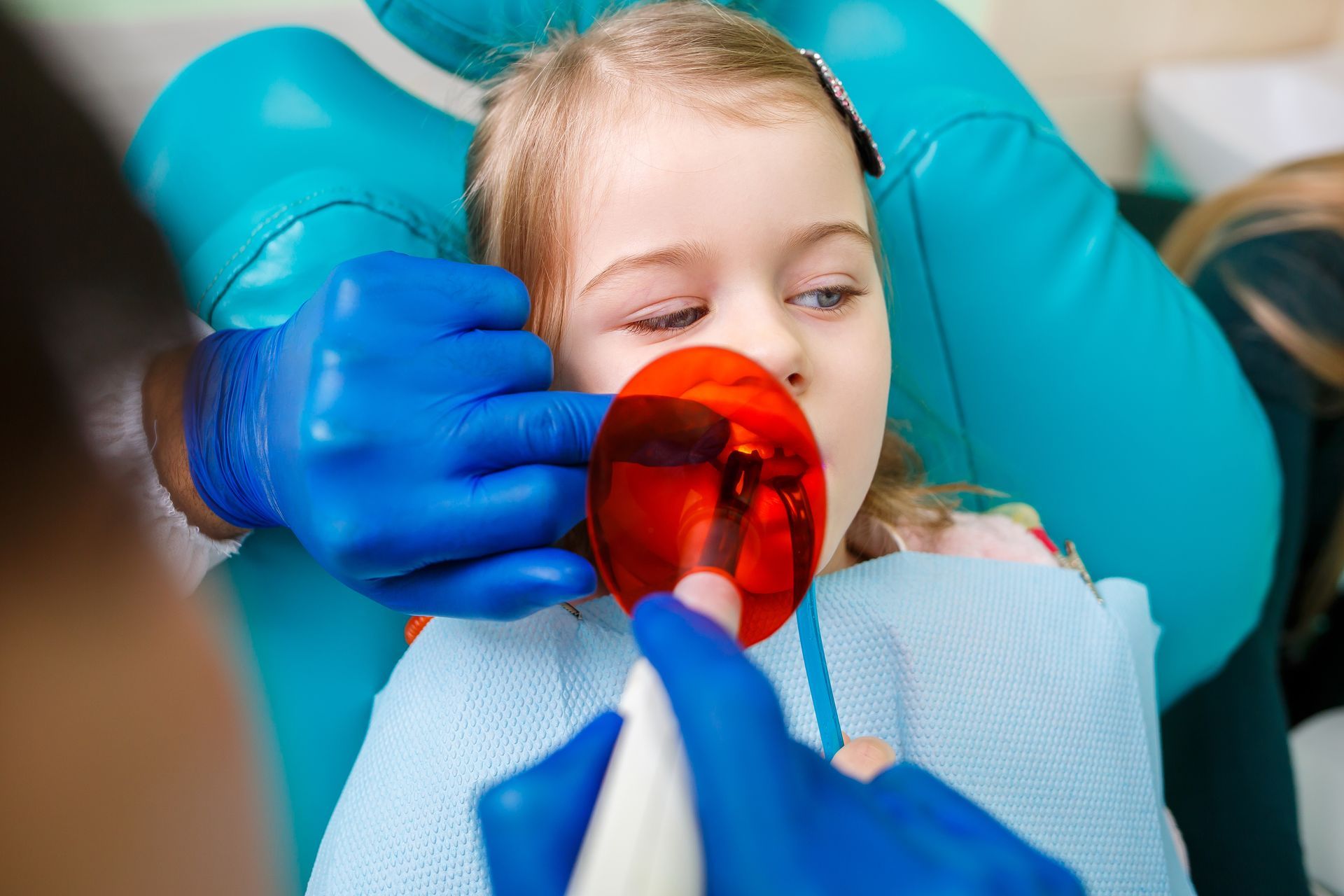
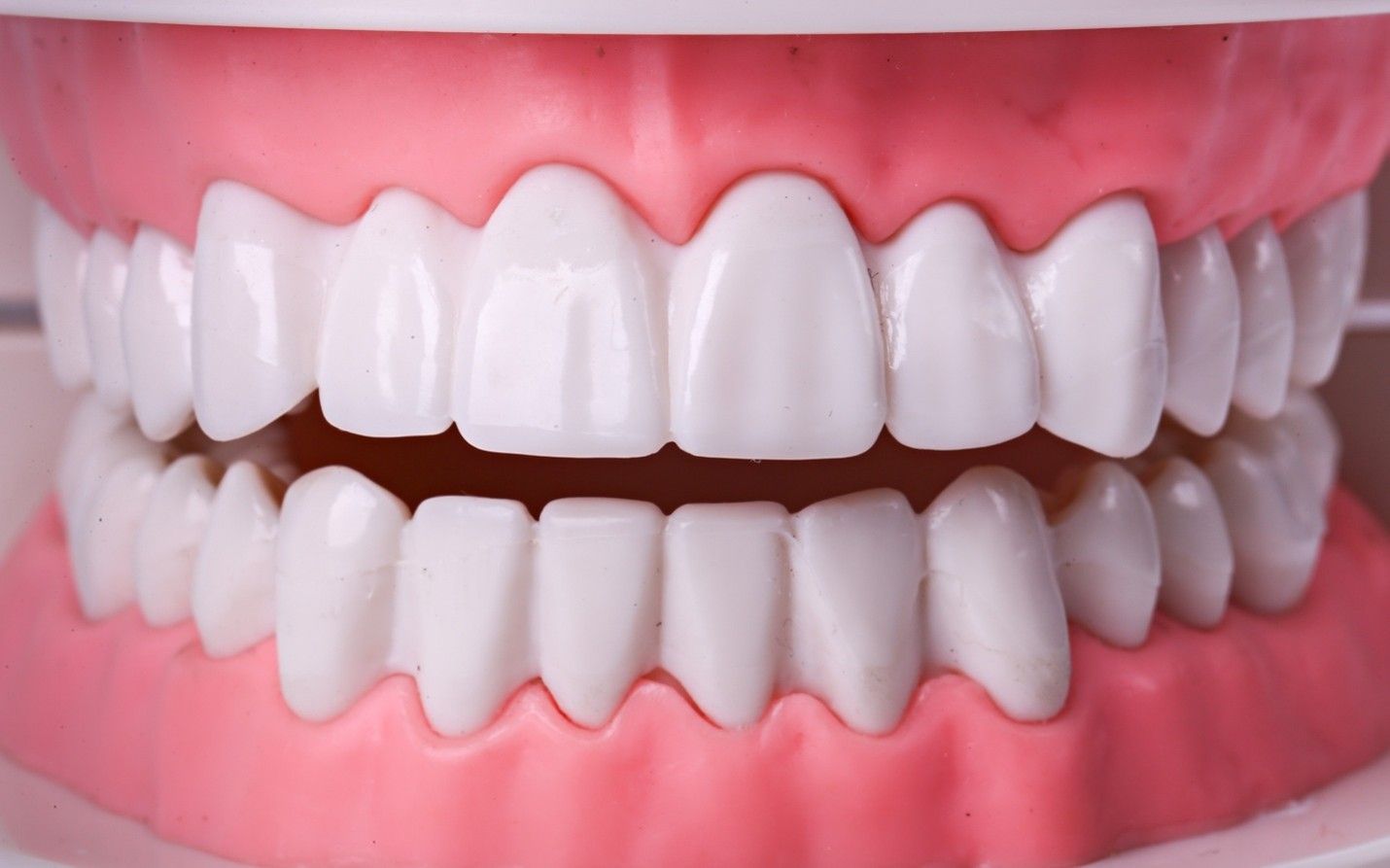
As a parent, you want to protect your child’s smile. While brushing, flossing, and regular dental checkups are essential, some areas of the teeth are harder to keep clean. That’s where dental sealants for kids can make a big difference. At Patriot Family Dental, we believe prevention is the best approach to lifelong oral health. Dental sealants are a simple, safe, and effective way to protect children’s teeth from cavities before they start. If you’ve wondered whether dental sealants are worth it, here’s what you need to know. What Are Dental Sealants? Dental sealants are thin, protective coatings placed onto the chewing surfaces of the back teeth, also known as the molars and premolars. Molars have peaks and valleys where food particles and bacteria can easily become trapped, rendering them more susceptible to tooth decay. The sealant creates a smooth barrier over these grooves, preventing plaque and bacteria from settling in hard-to-reach areas. The application is quick, painless, and requires no drilling or removal of tooth structure. Why Are Sealants Recommended for Children? Children are prone to cavities because they are still developing strong oral hygiene habits. Even with consistent brushing, it’s often difficult to thoroughly clean the deep grooves in the back teeth. Most children receive dental sealants shortly after their permanent molars erupt, typically around ages 6 and 12. Applying sealants during these years provides protection when the risk of cavities is highest. Research shows dental sealants can significantly reduce the risk of cavities in permanent molars, making them among the most effective preventive treatments available for children. Benefits of Dental Sealants Dental sealants offer several important advantages for growing smiles, including: Helping prevent cavities before they develop Protecting hard-to-clean chewing surfaces Diminishing the need for future fillings or more extensive dental treatment Offering long-lasting protection with proper care Supplying a quick, comfortable, and non-invasive procedure Sealants work alongside good oral hygiene—not as a replacement for brushing and flossing, but as an added layer of protection. How Long Do Dental Sealants Last? They are very durable and can last several years. During your child’s routine dental visits, we will check the sealants to make certain they remain intact. If a sealant becomes worn or chipped, it can often be repaired or replaced quickly. Regular dental examinations allow us to monitor both the sealants and your child’s overall oral health. Are Dental Sealants Safe? Of course; they have been used safely for decades and are recommended by leading dental organizations as a productive way to prevent tooth decay in children. The materials are carefully tested for safety, and the application process is painless. In just a few minutes per tooth, children receive protection that may help prevent cavities for years. Supporting Healthy Smiles at Home While dental sealants afford valuable protection, they work best combined with healthy daily habits. Parents can help children maintain strong teeth by: Brushing twice a day with fluoride toothpaste Flossing every day Limiting sweet snacks and beverages Encouraging a balanced, nutritious diet Scheduling regular dental cleanings and exams These simple habits, together with preventive treatments like sealants, create a firm foundation for lifelong oral health. Protect Your Child’s Smile with Preventive Care Dental sealants are a smart investment in your child’s long-term oral health. By protecting vulnerable teeth before cavities develop, sealants help reduce future dental problems, save time, and lower treatment costs. At Patriot Family Dental, we’re committed to helping children build strong, bright smiles that last a lifetime. Our team will evaluate your child’s teeth and determine if sealants are the right choice based on their individual needs. Schedule your child’s next dental appointment today while discovering how preventive care can keep their smile healthy, strong, and cavity-free for years to come. 
June 29, 2026
At Patriot Family Dental, we know your gums do more than support your teeth. The condition of your gums can give valuable insight into your overall health. Changes in your gum health may be early warning signs of issues affecting other parts of the body. Understanding what your gums tell you can help you take early actions to preserve your oral health and general well-being. Healthy Gums Signify Positive Oral Health Healthy gums should appear pink, firm, and fit snugly around your teeth. They should not bleed during brushing or flossing or feel tender or swollen. Healthy gums create a protective barrier that keeps harmful bacteria from entering the bloodstream. However, when gum health begins to decline, your body may be signaling that something needs attention. Warning Signs You Shouldn’t Ignore Many people assume bleeding gums are normal, but they are often an early sign of gum disease. Gum disease begins when plaque and bacteria accumulate along the gumline, causing inflammation and irritation. Common symptoms that may indicate a problem include: • Bleeding gums during brushing or flossing • Red, swollen, or tender gums • Persistent bad breath • Receding gums • Loose teeth • Increased tooth sensitivity • Pain when chewing If you notice any of these symptoms, schedule a dental examination as soon as possible. Early treatment can prevent more serious oral and systemic health concerns. The Link Between Gums & Overall Health Studies have proven strong relationships from oral issues to several chronic health conditions. Inflammation from periodontal disease may affect the body’s immune response and contribute to other health complications. Studies have linked gum disease to: • Heart disease • Diabetes • Stroke • Respiratory infections • Pregnancy complications Uncontrolled diabetes can make gum disease harder to manage, while severe gum disease may make blood sugar levels harder to control. This two-way relationship highlights the crucial role of maintaining healthy gums in integrated healthcare. What Receding Gums May Be Telling You Gum recession occurs when gum tissue pulls away from the teeth, exposing more of the tooth root. It can be caused by gum disease, aggressive brushing, tobacco use, or teeth grinding. Receding gums may cause tooth sensitivity and increase the risk of decay below the gumline. Addressing the cause early helps preserve oral health and prevent further damage. Preventive Dental Care Makes a Difference One of the best ways to keep your gums healthy is regular preventive dental care. Professional cleanings remove plaque and tartar buildup that brushing and flossing alone cannot eliminate. At Patriot Family Dental, we evaluate your gum health during routine visits. By spotting signs of inflammation, infection, or gum disease early, we help you sustain a healthier smile and reduce future risks. You can also support healthy gums at home by: • Brushing twice daily with fluoride toothpaste • Flossing every day • Using an antimicrobial mouthwash • Eating a balanced diet • Avoiding tobacco products • Scheduling regular dental checkups Listen to Your Gums  Your gums reveal important information about your oral and overall health. Paying attention to changes, including bleeding, swelling, or recession, helps catch likely concerns before they worsen. At Patriot Family Dental, we are committed to helping patients achieve healthier smiles via comprehensive, personalized dental care. Whether you are due for a regular cleaning or have concerns about your gum health, our experienced team is here to help. Schedule your next dental appointment today, then take an important step toward protecting your smile and your total wellness.
The Link Between Oral Health and Heart Health
June 1, 2026
At Patriot Family Dental, we believe your smile is connected to more than just your teeth. Your oral health plays an important role in your overall wellness...
Headache & Migraine Relief: How Patriot Family Dental Helps Address Dental-Related Pain
May 1, 2026
Headaches and migraines affect millions, often disrupting daily life and well-being. While many turn to medication for relief, some headaches....
Early Signs of Tooth Decay You Shouldn’t Ignore
By Bob Berendsen April 1, 2026
Tooth decay is a common dental concern, but it often begins with subtle symptoms that are easy to overlook. Catching these early warning signs...
How Oral Health Changes as You Age: What to Expect
By Bob Berendsen March 11, 2026
As we get older, our smiles go through natural changes - some subtle, some more noticeable. Learning about these shifts can help you protect your oral...
By Bob Berendsen February 1, 2026
At Patriot Family Dental, we believe that the top-of-the-line dental care starts with prevention. Preventive and consistent dental attention plays...
cosmetic dental procedures to enhance your smile | Patriot Family Dental
By Bob Berendsen December 4, 2025
If you’ve been thinking about refreshing your smile, here are six popular cosmetic dental procedures that can make a dramatic difference.
The Psychology of a Smile | Patriot Family  Dental
By Bob Berendsen November 19, 2025
At Patriot Family Dental, we believe that a smile makeover is not just about creating a beautiful appearance—it’s about helping you feel happier and healthier.
Cosmetic Dentistry Across the Ages | Patriot Family Dental
By Bob Berendsen October 1, 2025
At Patriot Family Dental we believe in offering cosmetic dentistry that’s appropriate for every age, so your smile looks its best and stays healthy.
Show More
July 29, 2026
As a parent, you want to protect your child’s smile. While brushing, flossing, and regular dental checkups are essential, some areas of the teeth are harder to keep clean. That’s where dental sealants for kids can make a big difference. At Patriot Family Dental, we believe prevention is the best approach to lifelong oral health. Dental sealants are a simple, safe, and effective way to protect children’s teeth from cavities before they start. If you’ve wondered whether dental sealants are worth it, here’s what you need to know. What Are Dental Sealants? Dental sealants are thin, protective coatings placed onto the chewing surfaces of the back teeth, also known as the molars and premolars. Molars have peaks and valleys where food particles and bacteria can easily become trapped, rendering them more susceptible to tooth decay. The sealant creates a smooth barrier over these grooves, preventing plaque and bacteria from settling in hard-to-reach areas. The application is quick, painless, and requires no drilling or removal of tooth structure. Why Are Sealants Recommended for Children? Children are prone to cavities because they are still developing strong oral hygiene habits. Even with consistent brushing, it’s often difficult to thoroughly clean the deep grooves in the back teeth. Most children receive dental sealants shortly after their permanent molars erupt, typically around ages 6 and 12. Applying sealants during these years provides protection when the risk of cavities is highest. Research shows dental sealants can significantly reduce the risk of cavities in permanent molars, making them among the most effective preventive treatments available for children. Benefits of Dental Sealants Dental sealants offer several important advantages for growing smiles, including: Helping prevent cavities before they develop Protecting hard-to-clean chewing surfaces Diminishing the need for future fillings or more extensive dental treatment Offering long-lasting protection with proper care Supplying a quick, comfortable, and non-invasive procedure Sealants work alongside good oral hygiene—not as a replacement for brushing and flossing, but as an added layer of protection. How Long Do Dental Sealants Last? They are very durable and can last several years. During your child’s routine dental visits, we will check the sealants to make certain they remain intact. If a sealant becomes worn or chipped, it can often be repaired or replaced quickly. Regular dental examinations allow us to monitor both the sealants and your child’s overall oral health. Are Dental Sealants Safe? Of course; they have been used safely for decades and are recommended by leading dental organizations as a productive way to prevent tooth decay in children. The materials are carefully tested for safety, and the application process is painless. In just a few minutes per tooth, children receive protection that may help prevent cavities for years. Supporting Healthy Smiles at Home While dental sealants afford valuable protection, they work best combined with healthy daily habits. Parents can help children maintain strong teeth by: Brushing twice a day with fluoride toothpaste Flossing every day Limiting sweet snacks and beverages Encouraging a balanced, nutritious diet Scheduling regular dental cleanings and exams These simple habits, together with preventive treatments like sealants, create a firm foundation for lifelong oral health. Protect Your Child’s Smile with Preventive Care Dental sealants are a smart investment in your child’s long-term oral health. By protecting vulnerable teeth before cavities develop, sealants help reduce future dental problems, save time, and lower treatment costs. At Patriot Family Dental, we’re committed to helping children build strong, bright smiles that last a lifetime. Our team will evaluate your child’s teeth and determine if sealants are the right choice based on their individual needs. Schedule your child’s next dental appointment today while discovering how preventive care can keep their smile healthy, strong, and cavity-free for years to come. 
June 29, 2026
At Patriot Family Dental, we know your gums do more than support your teeth. The condition of your gums can give valuable insight into your overall health. Changes in your gum health may be early warning signs of issues affecting other parts of the body. Understanding what your gums tell you can help you take early actions to preserve your oral health and general well-being. Healthy Gums Signify Positive Oral Health Healthy gums should appear pink, firm, and fit snugly around your teeth. They should not bleed during brushing or flossing or feel tender or swollen. Healthy gums create a protective barrier that keeps harmful bacteria from entering the bloodstream. However, when gum health begins to decline, your body may be signaling that something needs attention. Warning Signs You Shouldn’t Ignore Many people assume bleeding gums are normal, but they are often an early sign of gum disease. Gum disease begins when plaque and bacteria accumulate along the gumline, causing inflammation and irritation. Common symptoms that may indicate a problem include: • Bleeding gums during brushing or flossing • Red, swollen, or tender gums • Persistent bad breath • Receding gums • Loose teeth • Increased tooth sensitivity • Pain when chewing If you notice any of these symptoms, schedule a dental examination as soon as possible. Early treatment can prevent more serious oral and systemic health concerns. The Link Between Gums & Overall Health Studies have proven strong relationships from oral issues to several chronic health conditions. Inflammation from periodontal disease may affect the body’s immune response and contribute to other health complications. Studies have linked gum disease to: • Heart disease • Diabetes • Stroke • Respiratory infections • Pregnancy complications Uncontrolled diabetes can make gum disease harder to manage, while severe gum disease may make blood sugar levels harder to control. This two-way relationship highlights the crucial role of maintaining healthy gums in integrated healthcare. What Receding Gums May Be Telling You Gum recession occurs when gum tissue pulls away from the teeth, exposing more of the tooth root. It can be caused by gum disease, aggressive brushing, tobacco use, or teeth grinding. Receding gums may cause tooth sensitivity and increase the risk of decay below the gumline. Addressing the cause early helps preserve oral health and prevent further damage. Preventive Dental Care Makes a Difference One of the best ways to keep your gums healthy is regular preventive dental care. Professional cleanings remove plaque and tartar buildup that brushing and flossing alone cannot eliminate. At Patriot Family Dental, we evaluate your gum health during routine visits. By spotting signs of inflammation, infection, or gum disease early, we help you sustain a healthier smile and reduce future risks. You can also support healthy gums at home by: • Brushing twice daily with fluoride toothpaste • Flossing every day • Using an antimicrobial mouthwash • Eating a balanced diet • Avoiding tobacco products • Scheduling regular dental checkups Listen to Your Gums  Your gums reveal important information about your oral and overall health. Paying attention to changes, including bleeding, swelling, or recession, helps catch likely concerns before they worsen. At Patriot Family Dental, we are committed to helping patients achieve healthier smiles via comprehensive, personalized dental care. Whether you are due for a regular cleaning or have concerns about your gum health, our experienced team is here to help. Schedule your next dental appointment today, then take an important step toward protecting your smile and your total wellness.
The Link Between Oral Health and Heart Health
June 1, 2026
At Patriot Family Dental, we believe your smile is connected to more than just your teeth. Your oral health plays an important role in your overall wellness...
Headache & Migraine Relief: How Patriot Family Dental Helps Address Dental-Related Pain
May 1, 2026
Headaches and migraines affect millions, often disrupting daily life and well-being. While many turn to medication for relief, some headaches....
Early Signs of Tooth Decay You Shouldn’t Ignore
By Bob Berendsen April 1, 2026
Tooth decay is a common dental concern, but it often begins with subtle symptoms that are easy to overlook. Catching these early warning signs...
How Oral Health Changes as You Age: What to Expect
By Bob Berendsen March 11, 2026
As we get older, our smiles go through natural changes - some subtle, some more noticeable. Learning about these shifts can help you protect your oral...
By Bob Berendsen February 1, 2026
At Patriot Family Dental, we believe that the top-of-the-line dental care starts with prevention. Preventive and consistent dental attention plays...
cosmetic dental procedures to enhance your smile | Patriot Family Dental
By Bob Berendsen December 4, 2025
If you’ve been thinking about refreshing your smile, here are six popular cosmetic dental procedures that can make a dramatic difference.
The Psychology of a Smile | Patriot Family  Dental
By Bob Berendsen November 19, 2025
At Patriot Family Dental, we believe that a smile makeover is not just about creating a beautiful appearance—it’s about helping you feel happier and healthier.
Cosmetic Dentistry Across the Ages | Patriot Family Dental
By Bob Berendsen October 1, 2025
At Patriot Family Dental we believe in offering cosmetic dentistry that’s appropriate for every age, so your smile looks its best and stays healthy.