Should I Be Using Mouthwash?

July 5, 2023

Should I Be Using Mouthwash?

Should I Be Using Mouthwash? | Patriot Family Dental
Mouthwash is usually seen as the most popular solution for bad breath. However, mouthwash serves a purpose beyond freshening breath. It might be a crucial aid in keeping teeth strong and healthy.


Adequate oral hygiene plays an important role in protecting the teeth from plaque buildup. Plaque is one of the main drivers of cavities, gingivitis, periodontitis, and other dental and gum diseases. Scientific studies into optimal oral hygiene have revealed the benefits of specific mouthwashes. For example, a review by the
Cochrane Oral Health Group demonstrated that mouthwash containing chlorhexidine was effective in reducing plaque and gingivitis. A meta-analysis also found that mouthwashes containing certain essential oils were helpful.


A daily teeth brushing and flossing routine is an effective method for plaque removal. However, the use of mouthwash could be of great help in reaching the interdental area, where plaque usually accumulates. 


Mouthwash could become a useful aid to reduce bad breath, help avoid cavities, and lower your risk of gum disease if combined with a good and consistent oral hygiene routine. People should consult their dentists for recommendations on the most effective mouthwash. 


It’s important to note that while mouthwash can be a helpful addition to your oral care routine, it’s not a substitute for professional dental care. If you have persistent bad breath or other dental concerns, it is essential to
consult your dentist or primary care provider for an appropriate diagnosis and treatment. 


Let's delve into the world of mouthwash and uncover its potential benefits for your oral health.


What Is Mouthwash Made Of?

Mouthwash, also known as an oral rinse, is a liquid solution specifically formulated to promote oral health and hygiene. It is commonly used to rinse teeth, gums, and the mouth as part of a comprehensive oral care routine.


Regular mouthwash products typically contain a mixture of water and glycerin with additional ingredients such as sweeteners, surfactants, preservatives, colorants, and flavor agents.


The primary purpose of mouthwash is to combat the bacteria that can cause dental problems such as gum disease, cavities, and halitosis—commonly known as bad breath. Many mouthwashes contain antiseptic agents, which help kill or inhibit the growth of harmful bacteria in the mouth. These antiseptic agents can reach areas that may be difficult to clean with a toothbrush or floss alone.


In addition to antiseptic agents, mouthwashes may also contain other active ingredients, such as fluoride, which helps strengthen teeth and prevent tooth decay, or essential oils—menthol or eucalyptol—for a refreshing sensation.


What Should I Look For in a Mouthwash?

There could be plenty of ingredients in mouthwash products, and they vary depending on the brand. These ingredients could be mainly classified as oral health substances, solvents, surfactants, thickeners, sweeteners, plant extracts and oils, preservatives, colorants, and flavoring or cooling agents.


Here are some of the key ingredients to look for on the label behind a bottle of mouthwash and what they do to improve your oral hygiene:


Fluorine Compounds

Fluoride is a mineral that plays an important role in the health of your teeth and bones. Sodium fluoride significantly prevents tooth decay and reduces the number of cavities.


Arginine

This natural component contributes to the whole mouth's health. Arginine helps to maintain a pH-neutral environment and is proven to provide relief from dentin sensitivity. Among other benefits, some studies have revealed that this component can reduce caries.


Potassium Compounds

The most common use of potassium nitrate in dentistry involves treating hypersensitivity. This compound helps to calm the nerve fibers, which is why it is widely recommended for reducing tooth sensitivity. Mouthwash may also contain other types of potassium compounds, such as potassium chloride, tetra potassium pyrophosphate. 


Zinc Compounds

This mineral has an essential role in the prevention of plaque, inhibition of dental calculus formation, and reduction of bad breath.


How Should I Use Mouthwash?

There are an array of products on the market, and their instructions may vary accordingly. However, these are some of the common steps to using mouthwash:


Choose the Right Mouthwash

It's important to choose the right one for your specific needs. There are mouthwashes that focus on freshening breath, others that provide anti-plaque or anti-gingivitis properties, and some that are specifically formulated for sensitive teeth. 


Read the labels carefully and consult with your dentist or dental hygienist to determine which mouthwash is best suited for your oral health needs.


Measure and Pour

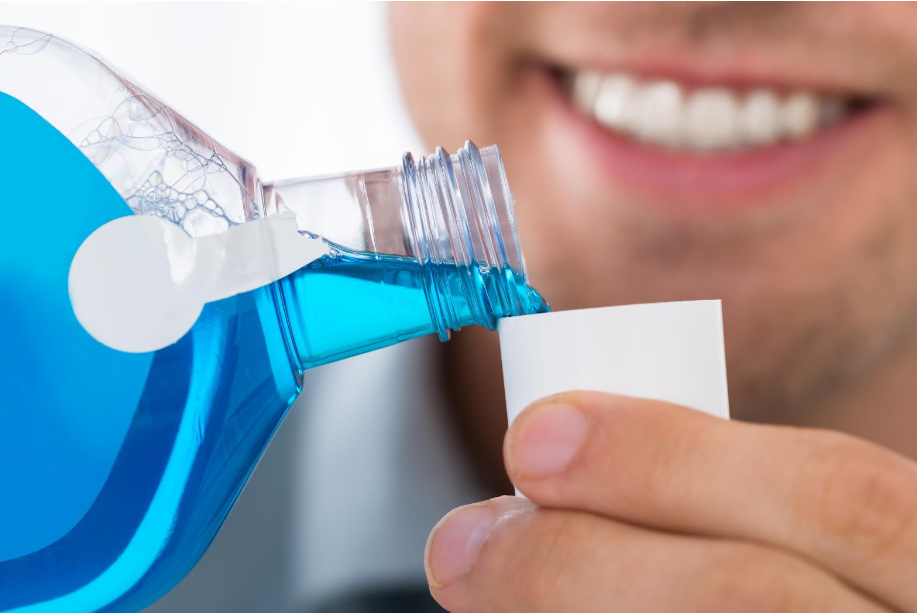
Once you have chosen the appropriate mouthwash, it's important to measure the correct amount according to the manufacturer's instructions. Typically, a capful, or between three and five teaspoons, of mouthwash is sufficient for most brands. 


Avoid using more than the recommended amount, as it can cause adverse effects such as burning or irritation of the oral tissues. 


Swish and Spit

Empty the cup and swish it around the mouth for about 30 seconds, making sure to swirl it between the teeth and along the gum line.


Try not to swallow the mouthwash, as it is not meant to be ingested. After swishing, spit the mouthwash into the sink. Do not rinse your mouth with water immediately after using it.


It is suggested to wait at least 30 minutes before eating or drinking anything to allow the mouthwash to fully work.


How Often Should I Use Mouthwash?

It depends on the specific product, oral health needs, and your dentist's recommendations. Most of the products recommend using them twice per day after brushing and flossing. 


Following the manufacturer's instructions, considering your oral health needs, avoiding overuse, and maintaining a comprehensive oral care routine are important factors to keep in mind.


Mouthwash can help you achieve fresher breath, reduce plaque buildup, and fight gum disease, but it's important to remember that mouthwash alone is not a magic solution, and it’s not a substitute for regular brushing and flossing.


Mouthwash can be a helpful tool for preventing or alleviating bad breath, rinsing out plaque, and fighting gum disease. However, it's worth remembering that mouthwash is not a substitute for regular brushing and flossing.


To maximize the benefits of mouthwash, it should be used in conjunction with a comprehensive oral care routine. Contact
Patriot Family Dental today if you require an oral care routine or any other dental services. Our experienced and friendly team is dedicated to providing top-notch care for all of your dental needs.

June 29, 2026
At Patriot Family Dental, we know your gums do more than support your teeth. The condition of your gums can give valuable insight into your overall health. Changes in your gum health may be early warning signs of issues affecting other parts of the body. Understanding what your gums tell you can help you take early actions to preserve your oral health and general well-being. Healthy Gums Signify Positive Oral Health Healthy gums should appear pink, firm, and fit snugly around your teeth. They should not bleed during brushing or flossing or feel tender or swollen. Healthy gums create a protective barrier that keeps harmful bacteria from entering the bloodstream. However, when gum health begins to decline, your body may be signaling that something needs attention. Warning Signs You Shouldn’t Ignore Many people assume bleeding gums are normal, but they are often an early sign of gum disease. Gum disease begins when plaque and bacteria accumulate along the gumline, causing inflammation and irritation. Common symptoms that may indicate a problem include: • Bleeding gums during brushing or flossing • Red, swollen, or tender gums • Persistent bad breath • Receding gums • Loose teeth • Increased tooth sensitivity • Pain when chewing If you notice any of these symptoms, schedule a dental examination as soon as possible. Early treatment can prevent more serious oral and systemic health concerns. The Link Between Gums & Overall Health Studies have proven strong relationships from oral issues to several chronic health conditions. Inflammation from periodontal disease may affect the body’s immune response and contribute to other health complications. Studies have linked gum disease to: • Heart disease • Diabetes • Stroke • Respiratory infections • Pregnancy complications Uncontrolled diabetes can make gum disease harder to manage, while severe gum disease may make blood sugar levels harder to control. This two-way relationship highlights the crucial role of maintaining healthy gums in integrated healthcare. What Receding Gums May Be Telling You Gum recession occurs when gum tissue pulls away from the teeth, exposing more of the tooth root. It can be caused by gum disease, aggressive brushing, tobacco use, or teeth grinding. Receding gums may cause tooth sensitivity and increase the risk of decay below the gumline. Addressing the cause early helps preserve oral health and prevent further damage. Preventive Dental Care Makes a Difference One of the best ways to keep your gums healthy is regular preventive dental care. Professional cleanings remove plaque and tartar buildup that brushing and flossing alone cannot eliminate. At Patriot Family Dental, we evaluate your gum health during routine visits. By spotting signs of inflammation, infection, or gum disease early, we help you sustain a healthier smile and reduce future risks. You can also support healthy gums at home by: • Brushing twice daily with fluoride toothpaste • Flossing every day • Using an antimicrobial mouthwash • Eating a balanced diet • Avoiding tobacco products • Scheduling regular dental checkups Listen to Your Gums  Your gums reveal important information about your oral and overall health. Paying attention to changes, including bleeding, swelling, or recession, helps catch likely concerns before they worsen. At Patriot Family Dental, we are committed to helping patients achieve healthier smiles via comprehensive, personalized dental care. Whether you are due for a regular cleaning or have concerns about your gum health, our experienced team is here to help. Schedule your next dental appointment today, then take an important step toward protecting your smile and your total wellness.
The Link Between Oral Health and Heart Health
June 1, 2026
At Patriot Family Dental, we believe your smile is connected to more than just your teeth. Your oral health plays an important role in your overall wellness...
Headache & Migraine Relief: How Patriot Family Dental Helps Address Dental-Related Pain
May 1, 2026
Headaches and migraines affect millions, often disrupting daily life and well-being. While many turn to medication for relief, some headaches....
Early Signs of Tooth Decay You Shouldn’t Ignore
By Bob Berendsen April 1, 2026
Tooth decay is a common dental concern, but it often begins with subtle symptoms that are easy to overlook. Catching these early warning signs...
How Oral Health Changes as You Age: What to Expect
By Bob Berendsen March 11, 2026
As we get older, our smiles go through natural changes - some subtle, some more noticeable. Learning about these shifts can help you protect your oral...
By Bob Berendsen February 1, 2026
At Patriot Family Dental, we believe that the top-of-the-line dental care starts with prevention. Preventive and consistent dental attention plays...
cosmetic dental procedures to enhance your smile | Patriot Family Dental
By Bob Berendsen December 4, 2025
If you’ve been thinking about refreshing your smile, here are six popular cosmetic dental procedures that can make a dramatic difference.
The Psychology of a Smile | Patriot Family  Dental
By Bob Berendsen November 19, 2025
At Patriot Family Dental, we believe that a smile makeover is not just about creating a beautiful appearance—it’s about helping you feel happier and healthier.
Cosmetic Dentistry Across the Ages | Patriot Family Dental
By Bob Berendsen October 1, 2025
At Patriot Family Dental we believe in offering cosmetic dentistry that’s appropriate for every age, so your smile looks its best and stays healthy.
Top 5 Signs You May Need a Dentist Visit  Patriot Family Dental
By Bob Berendsen September 1, 2025
Let’s explore the top five signs that indicate it’s time to schedule a dentist visit—and why brushing these symptoms aside could cost you more than your smile.
Show More
June 29, 2026
At Patriot Family Dental, we know your gums do more than support your teeth. The condition of your gums can give valuable insight into your overall health. Changes in your gum health may be early warning signs of issues affecting other parts of the body. Understanding what your gums tell you can help you take early actions to preserve your oral health and general well-being. Healthy Gums Signify Positive Oral Health Healthy gums should appear pink, firm, and fit snugly around your teeth. They should not bleed during brushing or flossing or feel tender or swollen. Healthy gums create a protective barrier that keeps harmful bacteria from entering the bloodstream. However, when gum health begins to decline, your body may be signaling that something needs attention. Warning Signs You Shouldn’t Ignore Many people assume bleeding gums are normal, but they are often an early sign of gum disease. Gum disease begins when plaque and bacteria accumulate along the gumline, causing inflammation and irritation. Common symptoms that may indicate a problem include: • Bleeding gums during brushing or flossing • Red, swollen, or tender gums • Persistent bad breath • Receding gums • Loose teeth • Increased tooth sensitivity • Pain when chewing If you notice any of these symptoms, schedule a dental examination as soon as possible. Early treatment can prevent more serious oral and systemic health concerns. The Link Between Gums & Overall Health Studies have proven strong relationships from oral issues to several chronic health conditions. Inflammation from periodontal disease may affect the body’s immune response and contribute to other health complications. Studies have linked gum disease to: • Heart disease • Diabetes • Stroke • Respiratory infections • Pregnancy complications Uncontrolled diabetes can make gum disease harder to manage, while severe gum disease may make blood sugar levels harder to control. This two-way relationship highlights the crucial role of maintaining healthy gums in integrated healthcare. What Receding Gums May Be Telling You Gum recession occurs when gum tissue pulls away from the teeth, exposing more of the tooth root. It can be caused by gum disease, aggressive brushing, tobacco use, or teeth grinding. Receding gums may cause tooth sensitivity and increase the risk of decay below the gumline. Addressing the cause early helps preserve oral health and prevent further damage. Preventive Dental Care Makes a Difference One of the best ways to keep your gums healthy is regular preventive dental care. Professional cleanings remove plaque and tartar buildup that brushing and flossing alone cannot eliminate. At Patriot Family Dental, we evaluate your gum health during routine visits. By spotting signs of inflammation, infection, or gum disease early, we help you sustain a healthier smile and reduce future risks. You can also support healthy gums at home by: • Brushing twice daily with fluoride toothpaste • Flossing every day • Using an antimicrobial mouthwash • Eating a balanced diet • Avoiding tobacco products • Scheduling regular dental checkups Listen to Your Gums  Your gums reveal important information about your oral and overall health. Paying attention to changes, including bleeding, swelling, or recession, helps catch likely concerns before they worsen. At Patriot Family Dental, we are committed to helping patients achieve healthier smiles via comprehensive, personalized dental care. Whether you are due for a regular cleaning or have concerns about your gum health, our experienced team is here to help. Schedule your next dental appointment today, then take an important step toward protecting your smile and your total wellness.
The Link Between Oral Health and Heart Health
June 1, 2026
At Patriot Family Dental, we believe your smile is connected to more than just your teeth. Your oral health plays an important role in your overall wellness...
Headache & Migraine Relief: How Patriot Family Dental Helps Address Dental-Related Pain
May 1, 2026
Headaches and migraines affect millions, often disrupting daily life and well-being. While many turn to medication for relief, some headaches....
Early Signs of Tooth Decay You Shouldn’t Ignore
By Bob Berendsen April 1, 2026
Tooth decay is a common dental concern, but it often begins with subtle symptoms that are easy to overlook. Catching these early warning signs...
How Oral Health Changes as You Age: What to Expect
By Bob Berendsen March 11, 2026
As we get older, our smiles go through natural changes - some subtle, some more noticeable. Learning about these shifts can help you protect your oral...
By Bob Berendsen February 1, 2026
At Patriot Family Dental, we believe that the top-of-the-line dental care starts with prevention. Preventive and consistent dental attention plays...
cosmetic dental procedures to enhance your smile | Patriot Family Dental
By Bob Berendsen December 4, 2025
If you’ve been thinking about refreshing your smile, here are six popular cosmetic dental procedures that can make a dramatic difference.
The Psychology of a Smile | Patriot Family  Dental
By Bob Berendsen November 19, 2025
At Patriot Family Dental, we believe that a smile makeover is not just about creating a beautiful appearance—it’s about helping you feel happier and healthier.
Cosmetic Dentistry Across the Ages | Patriot Family Dental
By Bob Berendsen October 1, 2025
At Patriot Family Dental we believe in offering cosmetic dentistry that’s appropriate for every age, so your smile looks its best and stays healthy.
Top 5 Signs You May Need a Dentist Visit  Patriot Family Dental
By Bob Berendsen September 1, 2025
Let’s explore the top five signs that indicate it’s time to schedule a dentist visit—and why brushing these symptoms aside could cost you more than your smile.