The Link Between Gum Disease and Heart Disease | What to Know
September 29, 2021

Over the past few years, researchers have been trying to figure out the relationship between gum disease and heart disease. Although these conditions don't seem to have much in common, new evidence suggests otherwise. So how does oral health affect the heart?


One common theory is that the bacteria present in the mouths of patients suffering from gum disease travels through the body, triggering inflammation in the heart’s vessels, thus leading to heart disease.


According to a study by the CDC, nearly 50% of Americans over 30 years old and 70% of people over the age of 65 have gum disease.


What Is Gum Disease?

Gum disease, also called periodontitis, is caused by bacterial growth in your mouth. If not treated, it can lead to the destruction of gum tissue and loss of teeth.


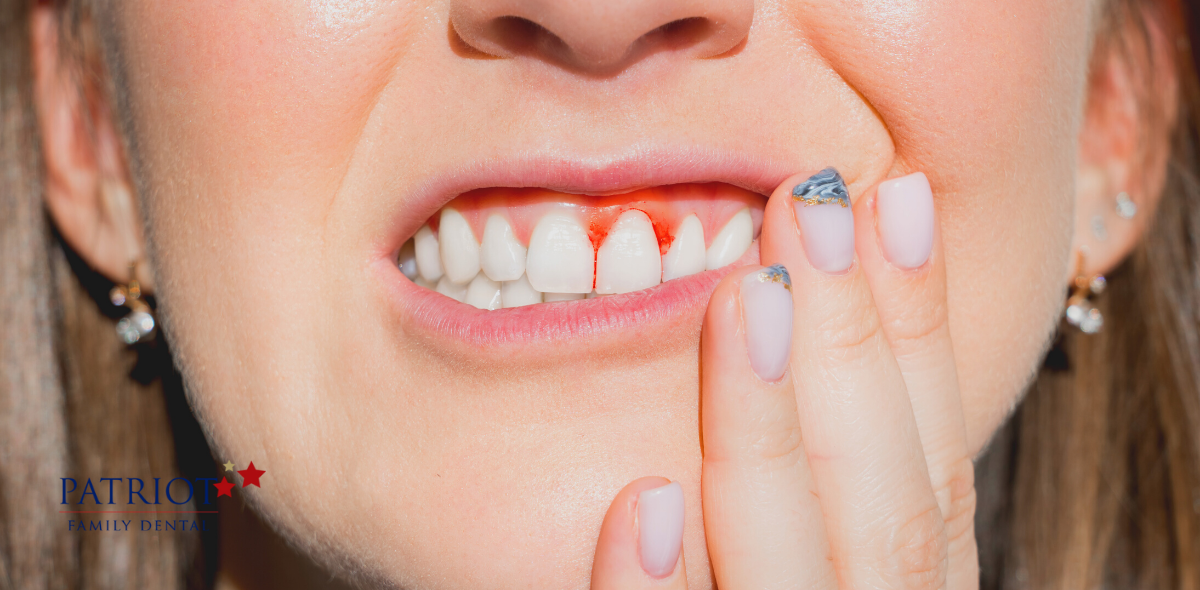
In some cases, gum disease is caused by gingivitis (gum inflammation). Bacteria cause gum inflammation in plaque. When these bacteria build-up, they cause your gums to become inflamed. You might even experience gum bleeding when brushing your teeth.


In its early stages, gum disease does not affect the structural integrity of your teeth or cause any irreversible tissue damage. But, in time, the bacteria in the plaque release acids that attack your tooth’s enamel, causing tooth decay.


After about 72 hours, plaque hardens into tartar, which forms along the baseline of your gums. Tartar is much harder to clean, and in time, it causes irritation and inflammation in your gums, thus leading to gingivitis.


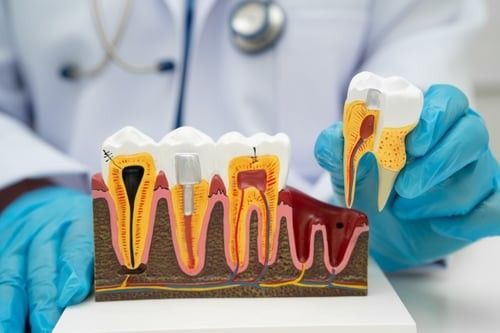
If gingivitis develops into gum disease, the inner layer of the gum pulls away from the teeth, forming pockets. These pockets then fill up with debris from food and may become infected.


The toxins produced by the bacteria in plaque break down the teeth and the connective tissue that holds teeth in place. As the disease progresses, the pockets grow deeper, thus weakening the teeth. In time, tooth loss occurs.


Causes of Gum Disease

●      Poor oral hygiene: Poor oral hygiene, such as not brushing or flossing your teeth, can promote the development of gum disease.

●      Hormonal changes: Some hormonal changes, such as those that occur during pregnancy, menstruation, menopause, and puberty, make the gums more sensitive. This, coupled with poor oral hygiene, can lead to the development of gum disease.

●      Bad habits: Bad habits, such as excessive alcohol consumption and smoking, can make it harder for the gums to repair themselves. This leaves your gums susceptible to infections.

●      Certain medications: Some medications reduce the flow of saliva. Saliva is known to have protective properties on your gums and teeth. Other medications such as anti-convulsion drugs like Dilantin can also cause abnormal growth of gum tissue, increasing your risk of developing gum disease.

●      Illnesses: Diseases like cancer and HIV affect your immune system, thus affecting the condition of your gums. Other illnesses like diabetes can also play a role in the development of gum disease. This is because diabetes limits your body’s ability to use blood sugar. The effect is a higher possibility of developing infections.

●      Family history: If you have a family history of developing dental disease, you might be more likely to contract gum disease.


Symptoms of Gum Disease

Gum disease progresses slowly. Even in its late stages, it’s still relatively painless and produces only a few obvious signs. Although the condition is mostly subtle, it does not come without a few warning signs. Some of the most common symptoms of gum disease include:


●      Bleeding gums after brushing your teeth

●      Reseeding gums

●      Formation of deep pockets between teeth and gums

●      Persistent bad taste or bad breath in the mouth

●      Red, swollen gums


In some cases, you might have gum disease and still lack any observable symptoms; in some patients, gum disease is limited to a few teeth, such as the molars. It is, therefore, advisable that you visit a dentist regularly to determine whether you have gum disease.


Diagnosis of Gum Disease

At Patriot Family Dental in Clarksville, TN, we diagnose gum disease by performing a dental exam. During the dental exam, we check the following:


●      Gum bleeding, firmness, pocket depth, and swelling

●      Tooth movement and sensitivity

●      Proper tooth alignment

●      Your jawbone (we check your jawbone to detect any changes in the bones surrounding your teeth)


Treatment of Gum Disease

The treatment of gum disease aims to promote the reattachment of healthy gums to teeth and reduce swelling, depth of pockets, and the possibility of infection.


The form of treatment you receive depends on the disease's stage and your overall health.


Treatment options range from nonsurgical therapies aimed at controlling bacterial growth to surgical procedures aimed at restoring supportive tissues.


How to Prevent Gum Disease

You can prevent and control gum disease effectively by practicing proper dental hygiene. It would be best if you brushed your teeth at least twice a day. It would be best to floss every day to remove food particles and plaque between your teeth and gums.


The Link Between Gum Disease and Heart Disease

●      Inflammation of blood vessels in the heart: Various research done by medical professionals shows a link between gum disease and the inflammation that mostly precedes strokes, heart attacks, and sudden vascular events. Gum disease also worsens cardiovascular disease in patients who have both conditions. According to a study done in 2014, patients who received adequate dental care for gum disease had their costs for cardiovascular treatment cut by 10–40%. This shows a direct relationship between gum and heart disease.

●      Valve infections in the heart: Gum disease poses significant risks for patients with valve disease. The bacteria that cause gum disease can cross into your bloodstream and enter the heart. Once there, it can affect the already vulnerable heart valves.


Cardiovascular Diseases Linked to Gum Disease

Endocarditis

If you are suffering from endocarditis, you are at a higher risk of developing infections in the inner lining of your heart. You must, therefore, practice good oral hygiene daily. Traditionally, patients with this condition were advised to take preventive antibiotics before any dental procedures. But, nowadays, only patients who are at higher risk take antibiotics. Your doctor can tell you if you are in the high-risk group. Also, if you are scheduled for valve surgery, you should practice extensive dental hygiene. This is because bacteria from gum disease can cause endocarditis.

Angina

Patients with angina are mostly treated with calcium channel blockers. Calcium channel blockers might cause gum overgrowth, which might, in turn, promote the development of gum disease. Patients whose angina is stable can undergo basic dental procedures. However, patients with unstable or accelerating angina should not undergo any unnecessary dental procedures. To minimize the risk of cardiac arrest, patients with angina should have their dental procedures done in hospitals with heart-monitoring equipment.

Heart attack

If you have a heart attack, you should wait at least six months before undergoing extensive dental procedures. You can, however, get a dental cleaning. But, as a precaution, you should ask your dentist to have oxygen and nitroglycerin in case of an emergency.

Stroke

Patients being treated for strokes are mainly given anticoagulants. Anticoagulants can result in excessive bleeding during extensive dental procedures. Also, in some cases, a stroke limits your ability to produce enough saliva. This, in turn, promotes the development of gum disease—and the risks involved as far as your heart is concerned.


The Link Between Diabetes and Oral Health Problems

People with diabetes are more likely to develop gum disease. The linking factor is blood sugar. If blood sugar levels are poorly controlled, you are more likely to develop gum disease.


When left uncontrolled, diabetes weakens your white blood cells, which are your body's primary defense against bacterial infections.

Oral Problems Linked to Diabetes


●      Gum inflammation and periodontitis: Apart from weakening your defense blood cells, high blood sugar also causes vessels to thicken. This severely limits the free movement of waste and nutrients to and from your body tissues. The effect of these circumstances is your body’s inability to fight off infections in your mouth. Therefore, people with diabetes may experience more severe forms of gum disease.

●      Dry mouth: Uncontrolled diabetes decreases the flow of saliva, causing dry mouth. A dry mouth then leads to ulcers, soreness, infections, and tooth decay.

●      Slow healing of oral tissue: Uncontrolled diabetes leads to poor blood flow in the mouth. Diabetic patients who have undergone dental procedures heal slowly due to a lack of essential nutrients in the affected tissue.

●      Thrush: People with diabetes are more susceptible to fungal infections in the mouth. Diabetics often have high sugar levels in their saliva. The fungus thrives on this sugar.


Proper dental hygiene is essential, not just for your mouth but your heart as well. The best way to prevent your underlying heart condition from escalating is by practicing proper dental hygiene.


When it comes to your health, you can never be too careful. If you have experienced any of the symptoms mentioned above, schedule an appointment with us today at Patriot Family Dental in Clarksville, TN, and stay on top of your dental hygiene.

 

July 29, 2026
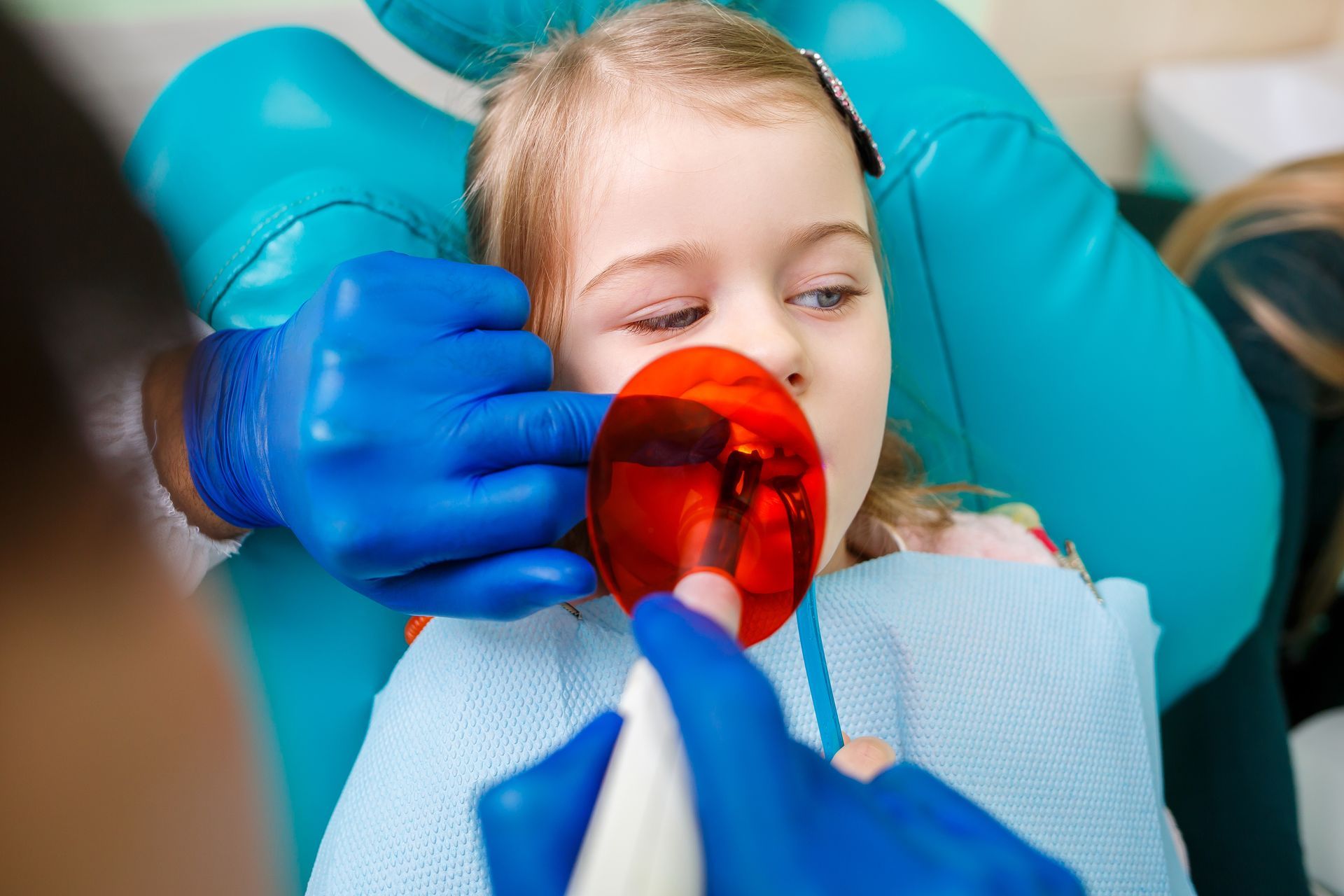
As a parent, you want to protect your child’s smile. While brushing, flossing, and regular dental checkups are essential, some areas of the teeth are harder to keep clean. That’s where dental sealants for kids can make a big difference. At Patriot Family Dental, we believe prevention is the best approach to lifelong oral health. Dental sealants are a simple, safe, and effective way to protect children’s teeth from cavities before they start. If you’ve wondered whether dental sealants are worth it, here’s what you need to know. What Are Dental Sealants? Dental sealants are thin, protective coatings placed onto the chewing surfaces of the back teeth, also known as the molars and premolars. Molars have peaks and valleys where food particles and bacteria can easily become trapped, rendering them more susceptible to tooth decay. The sealant creates a smooth barrier over these grooves, preventing plaque and bacteria from settling in hard-to-reach areas. The application is quick, painless, and requires no drilling or removal of tooth structure. Why Are Sealants Recommended for Children? Children are prone to cavities because they are still developing strong oral hygiene habits. Even with consistent brushing, it’s often difficult to thoroughly clean the deep grooves in the back teeth. Most children receive dental sealants shortly after their permanent molars erupt, typically around ages 6 and 12. Applying sealants during these years provides protection when the risk of cavities is highest. Research shows dental sealants can significantly reduce the risk of cavities in permanent molars, making them among the most effective preventive treatments available for children. Benefits of Dental Sealants Dental sealants offer several important advantages for growing smiles, including: Helping prevent cavities before they develop Protecting hard-to-clean chewing surfaces Diminishing the need for future fillings or more extensive dental treatment Offering long-lasting protection with proper care Supplying a quick, comfortable, and non-invasive procedure Sealants work alongside good oral hygiene—not as a replacement for brushing and flossing, but as an added layer of protection. How Long Do Dental Sealants Last? They are very durable and can last several years. During your child’s routine dental visits, we will check the sealants to make certain they remain intact. If a sealant becomes worn or chipped, it can often be repaired or replaced quickly. Regular dental examinations allow us to monitor both the sealants and your child’s overall oral health. Are Dental Sealants Safe? Of course; they have been used safely for decades and are recommended by leading dental organizations as a productive way to prevent tooth decay in children. The materials are carefully tested for safety, and the application process is painless. In just a few minutes per tooth, children receive protection that may help prevent cavities for years. Supporting Healthy Smiles at Home While dental sealants afford valuable protection, they work best combined with healthy daily habits. Parents can help children maintain strong teeth by: Brushing twice a day with fluoride toothpaste Flossing every day Limiting sweet snacks and beverages Encouraging a balanced, nutritious diet Scheduling regular dental cleanings and exams These simple habits, together with preventive treatments like sealants, create a firm foundation for lifelong oral health. Protect Your Child’s Smile with Preventive Care Dental sealants are a smart investment in your child’s long-term oral health. By protecting vulnerable teeth before cavities develop, sealants help reduce future dental problems, save time, and lower treatment costs. At Patriot Family Dental, we’re committed to helping children build strong, bright smiles that last a lifetime. Our team will evaluate your child’s teeth and determine if sealants are the right choice based on their individual needs. Schedule your child’s next dental appointment today while discovering how preventive care can keep their smile healthy, strong, and cavity-free for years to come. 
June 29, 2026
At Patriot Family Dental, we know your gums do more than support your teeth. The condition of your gums can give valuable insight into your overall health. Changes in your gum health may be early warning signs of issues affecting other parts of the body. Understanding what your gums tell you can help you take early actions to preserve your oral health and general well-being. Healthy Gums Signify Positive Oral Health Healthy gums should appear pink, firm, and fit snugly around your teeth. They should not bleed during brushing or flossing or feel tender or swollen. Healthy gums create a protective barrier that keeps harmful bacteria from entering the bloodstream. However, when gum health begins to decline, your body may be signaling that something needs attention. Warning Signs You Shouldn’t Ignore Many people assume bleeding gums are normal, but they are often an early sign of gum disease. Gum disease begins when plaque and bacteria accumulate along the gumline, causing inflammation and irritation. Common symptoms that may indicate a problem include: • Bleeding gums during brushing or flossing • Red, swollen, or tender gums • Persistent bad breath • Receding gums • Loose teeth • Increased tooth sensitivity • Pain when chewing If you notice any of these symptoms, schedule a dental examination as soon as possible. Early treatment can prevent more serious oral and systemic health concerns. The Link Between Gums & Overall Health Studies have proven strong relationships from oral issues to several chronic health conditions. Inflammation from periodontal disease may affect the body’s immune response and contribute to other health complications. Studies have linked gum disease to: • Heart disease • Diabetes • Stroke • Respiratory infections • Pregnancy complications Uncontrolled diabetes can make gum disease harder to manage, while severe gum disease may make blood sugar levels harder to control. This two-way relationship highlights the crucial role of maintaining healthy gums in integrated healthcare. What Receding Gums May Be Telling You Gum recession occurs when gum tissue pulls away from the teeth, exposing more of the tooth root. It can be caused by gum disease, aggressive brushing, tobacco use, or teeth grinding. Receding gums may cause tooth sensitivity and increase the risk of decay below the gumline. Addressing the cause early helps preserve oral health and prevent further damage. Preventive Dental Care Makes a Difference One of the best ways to keep your gums healthy is regular preventive dental care. Professional cleanings remove plaque and tartar buildup that brushing and flossing alone cannot eliminate. At Patriot Family Dental, we evaluate your gum health during routine visits. By spotting signs of inflammation, infection, or gum disease early, we help you sustain a healthier smile and reduce future risks. You can also support healthy gums at home by: • Brushing twice daily with fluoride toothpaste • Flossing every day • Using an antimicrobial mouthwash • Eating a balanced diet • Avoiding tobacco products • Scheduling regular dental checkups Listen to Your Gums  Your gums reveal important information about your oral and overall health. Paying attention to changes, including bleeding, swelling, or recession, helps catch likely concerns before they worsen. At Patriot Family Dental, we are committed to helping patients achieve healthier smiles via comprehensive, personalized dental care. Whether you are due for a regular cleaning or have concerns about your gum health, our experienced team is here to help. Schedule your next dental appointment today, then take an important step toward protecting your smile and your total wellness.
The Link Between Oral Health and Heart Health
June 1, 2026
At Patriot Family Dental, we believe your smile is connected to more than just your teeth. Your oral health plays an important role in your overall wellness...
Headache & Migraine Relief: How Patriot Family Dental Helps Address Dental-Related Pain
May 1, 2026
Headaches and migraines affect millions, often disrupting daily life and well-being. While many turn to medication for relief, some headaches....
Early Signs of Tooth Decay You Shouldn’t Ignore
By Bob Berendsen April 1, 2026
Tooth decay is a common dental concern, but it often begins with subtle symptoms that are easy to overlook. Catching these early warning signs...
How Oral Health Changes as You Age: What to Expect
By Bob Berendsen March 11, 2026
As we get older, our smiles go through natural changes - some subtle, some more noticeable. Learning about these shifts can help you protect your oral...
By Bob Berendsen February 1, 2026
At Patriot Family Dental, we believe that the top-of-the-line dental care starts with prevention. Preventive and consistent dental attention plays...
cosmetic dental procedures to enhance your smile | Patriot Family Dental
By Bob Berendsen December 4, 2025
If you’ve been thinking about refreshing your smile, here are six popular cosmetic dental procedures that can make a dramatic difference.
The Psychology of a Smile | Patriot Family  Dental
By Bob Berendsen November 19, 2025
At Patriot Family Dental, we believe that a smile makeover is not just about creating a beautiful appearance—it’s about helping you feel happier and healthier.
Cosmetic Dentistry Across the Ages | Patriot Family Dental
By Bob Berendsen October 1, 2025
At Patriot Family Dental we believe in offering cosmetic dentistry that’s appropriate for every age, so your smile looks its best and stays healthy.
Show More
July 29, 2026
As a parent, you want to protect your child’s smile. While brushing, flossing, and regular dental checkups are essential, some areas of the teeth are harder to keep clean. That’s where dental sealants for kids can make a big difference. At Patriot Family Dental, we believe prevention is the best approach to lifelong oral health. Dental sealants are a simple, safe, and effective way to protect children’s teeth from cavities before they start. If you’ve wondered whether dental sealants are worth it, here’s what you need to know. What Are Dental Sealants? Dental sealants are thin, protective coatings placed onto the chewing surfaces of the back teeth, also known as the molars and premolars. Molars have peaks and valleys where food particles and bacteria can easily become trapped, rendering them more susceptible to tooth decay. The sealant creates a smooth barrier over these grooves, preventing plaque and bacteria from settling in hard-to-reach areas. The application is quick, painless, and requires no drilling or removal of tooth structure. Why Are Sealants Recommended for Children? Children are prone to cavities because they are still developing strong oral hygiene habits. Even with consistent brushing, it’s often difficult to thoroughly clean the deep grooves in the back teeth. Most children receive dental sealants shortly after their permanent molars erupt, typically around ages 6 and 12. Applying sealants during these years provides protection when the risk of cavities is highest. Research shows dental sealants can significantly reduce the risk of cavities in permanent molars, making them among the most effective preventive treatments available for children. Benefits of Dental Sealants Dental sealants offer several important advantages for growing smiles, including: Helping prevent cavities before they develop Protecting hard-to-clean chewing surfaces Diminishing the need for future fillings or more extensive dental treatment Offering long-lasting protection with proper care Supplying a quick, comfortable, and non-invasive procedure Sealants work alongside good oral hygiene—not as a replacement for brushing and flossing, but as an added layer of protection. How Long Do Dental Sealants Last? They are very durable and can last several years. During your child’s routine dental visits, we will check the sealants to make certain they remain intact. If a sealant becomes worn or chipped, it can often be repaired or replaced quickly. Regular dental examinations allow us to monitor both the sealants and your child’s overall oral health. Are Dental Sealants Safe? Of course; they have been used safely for decades and are recommended by leading dental organizations as a productive way to prevent tooth decay in children. The materials are carefully tested for safety, and the application process is painless. In just a few minutes per tooth, children receive protection that may help prevent cavities for years. Supporting Healthy Smiles at Home While dental sealants afford valuable protection, they work best combined with healthy daily habits. Parents can help children maintain strong teeth by: Brushing twice a day with fluoride toothpaste Flossing every day Limiting sweet snacks and beverages Encouraging a balanced, nutritious diet Scheduling regular dental cleanings and exams These simple habits, together with preventive treatments like sealants, create a firm foundation for lifelong oral health. Protect Your Child’s Smile with Preventive Care Dental sealants are a smart investment in your child’s long-term oral health. By protecting vulnerable teeth before cavities develop, sealants help reduce future dental problems, save time, and lower treatment costs. At Patriot Family Dental, we’re committed to helping children build strong, bright smiles that last a lifetime. Our team will evaluate your child’s teeth and determine if sealants are the right choice based on their individual needs. Schedule your child’s next dental appointment today while discovering how preventive care can keep their smile healthy, strong, and cavity-free for years to come. 
June 29, 2026
At Patriot Family Dental, we know your gums do more than support your teeth. The condition of your gums can give valuable insight into your overall health. Changes in your gum health may be early warning signs of issues affecting other parts of the body. Understanding what your gums tell you can help you take early actions to preserve your oral health and general well-being. Healthy Gums Signify Positive Oral Health Healthy gums should appear pink, firm, and fit snugly around your teeth. They should not bleed during brushing or flossing or feel tender or swollen. Healthy gums create a protective barrier that keeps harmful bacteria from entering the bloodstream. However, when gum health begins to decline, your body may be signaling that something needs attention. Warning Signs You Shouldn’t Ignore Many people assume bleeding gums are normal, but they are often an early sign of gum disease. Gum disease begins when plaque and bacteria accumulate along the gumline, causing inflammation and irritation. Common symptoms that may indicate a problem include: • Bleeding gums during brushing or flossing • Red, swollen, or tender gums • Persistent bad breath • Receding gums • Loose teeth • Increased tooth sensitivity • Pain when chewing If you notice any of these symptoms, schedule a dental examination as soon as possible. Early treatment can prevent more serious oral and systemic health concerns. The Link Between Gums & Overall Health Studies have proven strong relationships from oral issues to several chronic health conditions. Inflammation from periodontal disease may affect the body’s immune response and contribute to other health complications. Studies have linked gum disease to: • Heart disease • Diabetes • Stroke • Respiratory infections • Pregnancy complications Uncontrolled diabetes can make gum disease harder to manage, while severe gum disease may make blood sugar levels harder to control. This two-way relationship highlights the crucial role of maintaining healthy gums in integrated healthcare. What Receding Gums May Be Telling You Gum recession occurs when gum tissue pulls away from the teeth, exposing more of the tooth root. It can be caused by gum disease, aggressive brushing, tobacco use, or teeth grinding. Receding gums may cause tooth sensitivity and increase the risk of decay below the gumline. Addressing the cause early helps preserve oral health and prevent further damage. Preventive Dental Care Makes a Difference One of the best ways to keep your gums healthy is regular preventive dental care. Professional cleanings remove plaque and tartar buildup that brushing and flossing alone cannot eliminate. At Patriot Family Dental, we evaluate your gum health during routine visits. By spotting signs of inflammation, infection, or gum disease early, we help you sustain a healthier smile and reduce future risks. You can also support healthy gums at home by: • Brushing twice daily with fluoride toothpaste • Flossing every day • Using an antimicrobial mouthwash • Eating a balanced diet • Avoiding tobacco products • Scheduling regular dental checkups Listen to Your Gums  Your gums reveal important information about your oral and overall health. Paying attention to changes, including bleeding, swelling, or recession, helps catch likely concerns before they worsen. At Patriot Family Dental, we are committed to helping patients achieve healthier smiles via comprehensive, personalized dental care. Whether you are due for a regular cleaning or have concerns about your gum health, our experienced team is here to help. Schedule your next dental appointment today, then take an important step toward protecting your smile and your total wellness.
The Link Between Oral Health and Heart Health
June 1, 2026
At Patriot Family Dental, we believe your smile is connected to more than just your teeth. Your oral health plays an important role in your overall wellness...
Headache & Migraine Relief: How Patriot Family Dental Helps Address Dental-Related Pain
May 1, 2026
Headaches and migraines affect millions, often disrupting daily life and well-being. While many turn to medication for relief, some headaches....
Early Signs of Tooth Decay You Shouldn’t Ignore
By Bob Berendsen April 1, 2026
Tooth decay is a common dental concern, but it often begins with subtle symptoms that are easy to overlook. Catching these early warning signs...
How Oral Health Changes as You Age: What to Expect
By Bob Berendsen March 11, 2026
As we get older, our smiles go through natural changes - some subtle, some more noticeable. Learning about these shifts can help you protect your oral...
By Bob Berendsen February 1, 2026
At Patriot Family Dental, we believe that the top-of-the-line dental care starts with prevention. Preventive and consistent dental attention plays...
cosmetic dental procedures to enhance your smile | Patriot Family Dental
By Bob Berendsen December 4, 2025
If you’ve been thinking about refreshing your smile, here are six popular cosmetic dental procedures that can make a dramatic difference.
The Psychology of a Smile | Patriot Family  Dental
By Bob Berendsen November 19, 2025
At Patriot Family Dental, we believe that a smile makeover is not just about creating a beautiful appearance—it’s about helping you feel happier and healthier.
Cosmetic Dentistry Across the Ages | Patriot Family Dental
By Bob Berendsen October 1, 2025
At Patriot Family Dental we believe in offering cosmetic dentistry that’s appropriate for every age, so your smile looks its best and stays healthy.