Symptoms & Warning Signs of Gum Disease

December 14, 2021

Common Symptoms of Gum Disease To Watch Out For
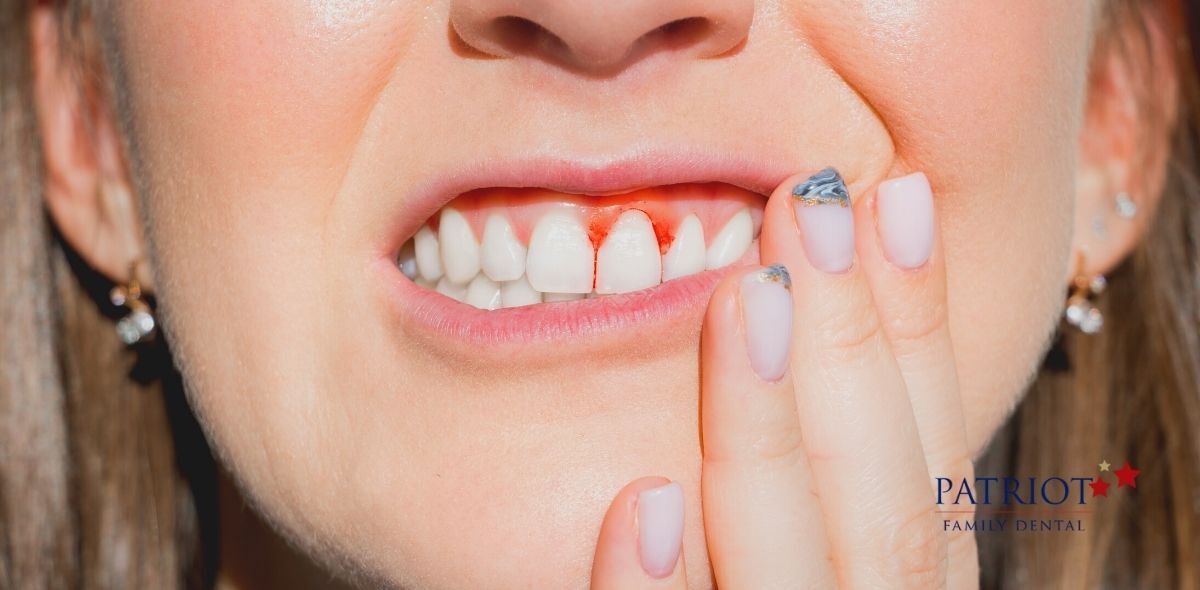
woman with bleeding gums - symptom of gum disease

Gum disease can impact both your teeth and your overall health. Did you know that gum disease can weaken your immune system and increase your risk of suffering from heart disease later? Even if you brush your teeth and floss several times a day, you may develop gum disease. Looking for warning signs that you have gum disease could let you know when you should speak to the team at Patriot Family Dental.


Causes of Gum Disease

Knowing the causes of gum disease can help you learn how you can prevent it. The leading cause is a buildup of bacteria inside the mouth. The average human mouth holds around 700 different bacteria strains and that means that most people have millions of live bacteria in their mouth at any given time. 
These bacteria aid in various functions, such as helping you break down the food that you eat and keeping your mouth safe from infections. Bad bacteria can lead to plaque developing in your mouth and can wear down the enamel on your teeth. The buildup of plaque and tartar can also cause tooth loss or decay and often leads to gum disease.


6 Warning Signs Related to Gum Disease


1. Bleeding Gums

A small amount of blood should not concern you. It can indicate that you used too much pressure while brushing or that you have sensitive teeth. Bleeding gums become a concern when you see the problem every time you brush or fairly often. This is a warning sign that you have gum disease and is a symptom you should talk with your dentist about at your next appointment.


2. Changes to Your Gums

The next time you brush your teeth, take a moment to look in the mirror and smile. Pay special attention to your gums. Healthy gums are soft pink and touch the teeth. Diseased gums often appear bright pink or red and suffer from inflammation. You can also try touching your gums with your fingers or toothbrush. Does the sensation of anything touching your gums cause you pain? Painful and/or tender gums are a warning sign of gum disease. Regular dental appointments are important, because changes to your gums can also indicate the presence of an infection.


3. Bad Breath

Many people worry about how their breath smells. They use everything from gum and mouthwash to mints and breath fresheners. While it is true that you may experience bad breath because of a pungent meal or because you forgot to brush in the morning, persistent bad breath that you cannot control is a sign of gum disease. During the early stages of gum disease, the smell might be much weaker but as the disease progresses, it could become more and more difficult to get rid of the odor.


4. Loose Teeth

As an adult, there are few things worse than finding you have a loose tooth. You expect to lose milk teeth as a kid but once you become an adult, you expect to have your permanent teeth for the rest of your life. If you have gum disease though, you may find that you have one or more loose teeth. As the disease progresses, your gums begin pulling back or receding, which weakens the structure around your tooth. The tooth may feel loose and could even fall out with the slightest bit of pressure!


5. Receding Gums

One of the biggest warning signs of gum disease is receding gums. Healthy gums butt right up against your teeth. Inflammation and illness can cause your gums to pull back from your teeth. You'll commonly see receding gums right between your canines. When you examine your front teeth in a mirror, look at the placement of your gums. If they dip low enough that you can see the bottom of your teeth, you likely have gum disease. If you have gum disease, you may also notice that the top of your gums is a different color than the bottom.


6. Bite Changes

Strong and healthy teeth can conquer the hardest of ingredients without missing a beat. During the early stages of gum disease, you'll likely notice that your bite changes. Those changes can worsen as the disease spreads. Those suffering from gum disease often find that they cannot bite and chew as well as they did before because their teeth are loose and shift around. Severe gum disease can even change the way you talk, which may affect your self-esteem.


When Do Symptoms Present?

A big question that patients have is when they will experience the symptoms of gum disease. There is no single answer for all patients, though. While some may experience symptoms at the first sign of gum disease, others may wait months before they notice any changes. It is advisable to schedule a comprehensive dental exam at least twice a year or once every six months so your dentist can look for early warning signs and treat your gum disease. Regular checkups can ensure that your dentist notices the warning signs of gum disease even before you notice them.


Types of Gum Disease

One thing to keep in mind is that there are different types of gum disease, of which gingivitis is the most common. It causes your gums to swell and can make them feel sore to the touch. Fortunately, gingivitis is easy to treat—especially during the early stages. Peritonitis is a more serious condition because it affects both the visible areas of your teeth and those hidden below your gum line. This condition can cause pockets of pus to form inside your mouth and increase your risk of developing serious infections.


Periodontitis is an aggressive form of gum disease that usually progresses more rapidly than other types. This condition can lead to the loss of tissue in your mouth as well as your teeth. With chronic periodontitis, you may have more time to act and seek help because it spreads slowly. This condition can lead to you losing one or more of your teeth as well as tissue and bone. Speaking with a dentist is the best way to find out if you have gum disease, and if you do, what type it is. This is very important to decide on the best course of treatment.


Long-Term Effects

Many patients think that they can care for their gum disease at home. Once you look at the serious long-term effects though, you'll understand why you need a dentist. There is a link between gum disease and heart disease in that suffering from gum disease can increase your heart attack risk. Your risk of having a stroke or respiratory issues also increases with prolonged untreated gum disease. There are also links between diabetes and these conditions. If you are a diabetic, gum disease can weaken your immune system and make it harder for you to control your blood sugar.


Can You Prevent Gum Disease?

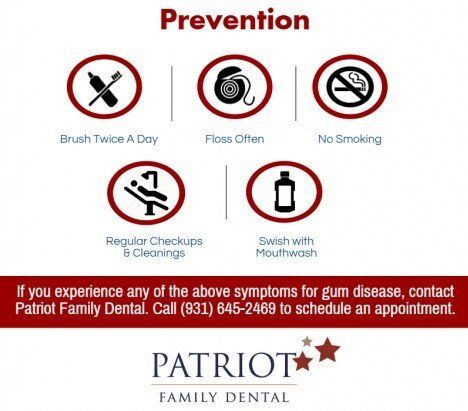
You can prevent gum disease with regular dental checkups. It's also equally important to take care of your mouth in between appointments. This means brushing and flossing multiple times a day. While brushing removes bacteria from your teeth and gums, flossing removes bacteria between your teeth. You should also follow a healthy diet and cut back on sugary snacks. If you smoke or vape, you should cut back or stop at the earliest.

Gum Disease Treatments

There are a few different treatments to help those struggling with gum disease. One option is deep cleaning. Technicians use ultrasonic equipment to reach deep between your teeth and target bacteria that are invisible to the naked eye. You can often schedule a deep cleaning during an upcoming appointment or outside of your regular checkups. Custom trays can also help. This allows the dentist to fit a custom tray to your mouth and add a medicated gel inside. When you wear the tray, the gel reaches deep inside your mouth to kill germs and bacteria. You may also want to talk to Patriot Family Dental about tooth extractions as severe neglect of gum disease may require the removal of one or more teeth.


Treat Gum Disease in Clarksville

Gum disease has serious effects on your health in both a short and long term. It can increase your risks of developing other conditions and weaken your immune system. When left untreated, gum disease can damage or destroy one or more of your teeth, too. At Patriot Family Dental, we offer solutions no matter what stage of gum disease you have. Give us a call today to book an appointment!

October 30, 2026
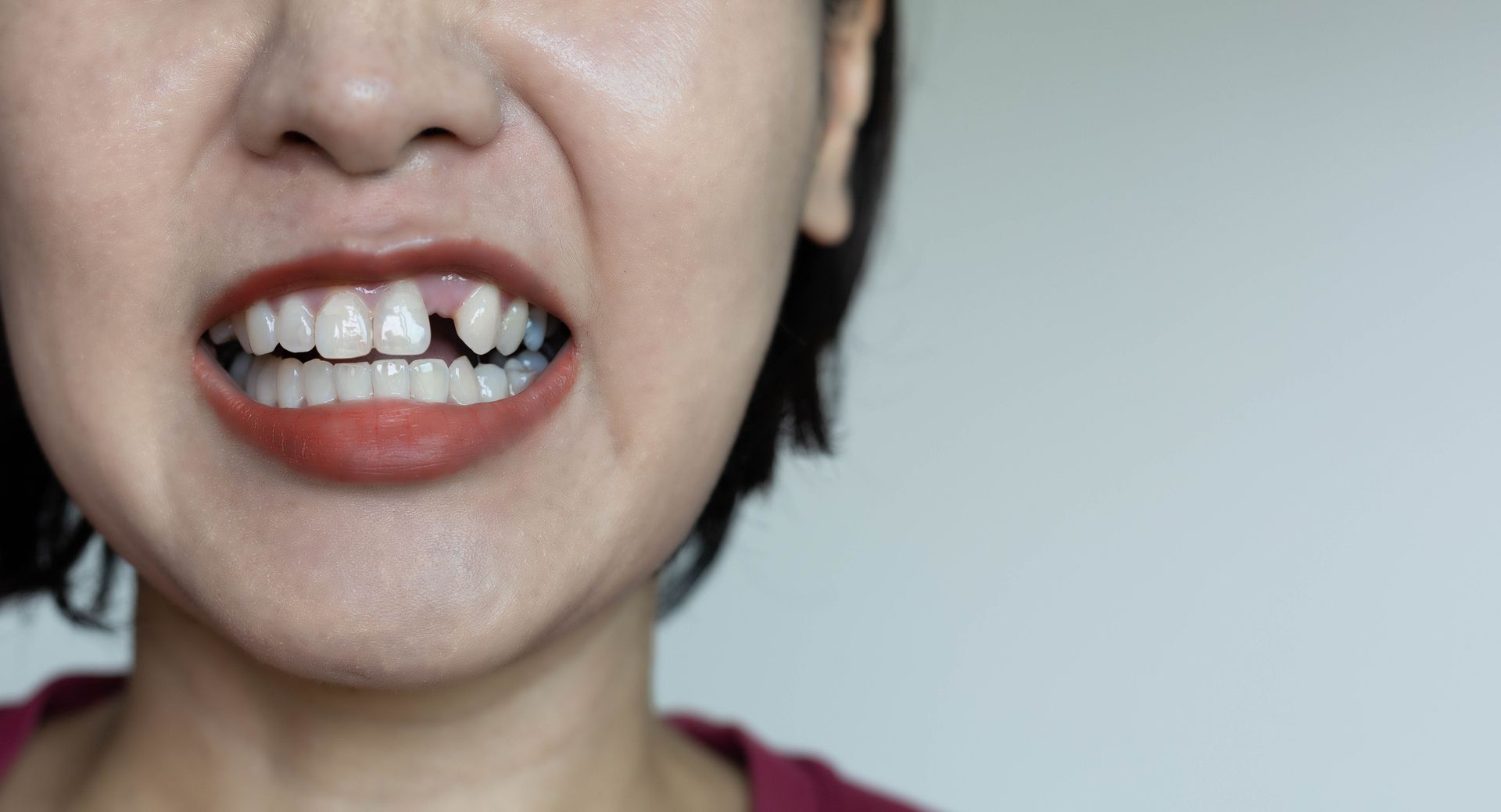
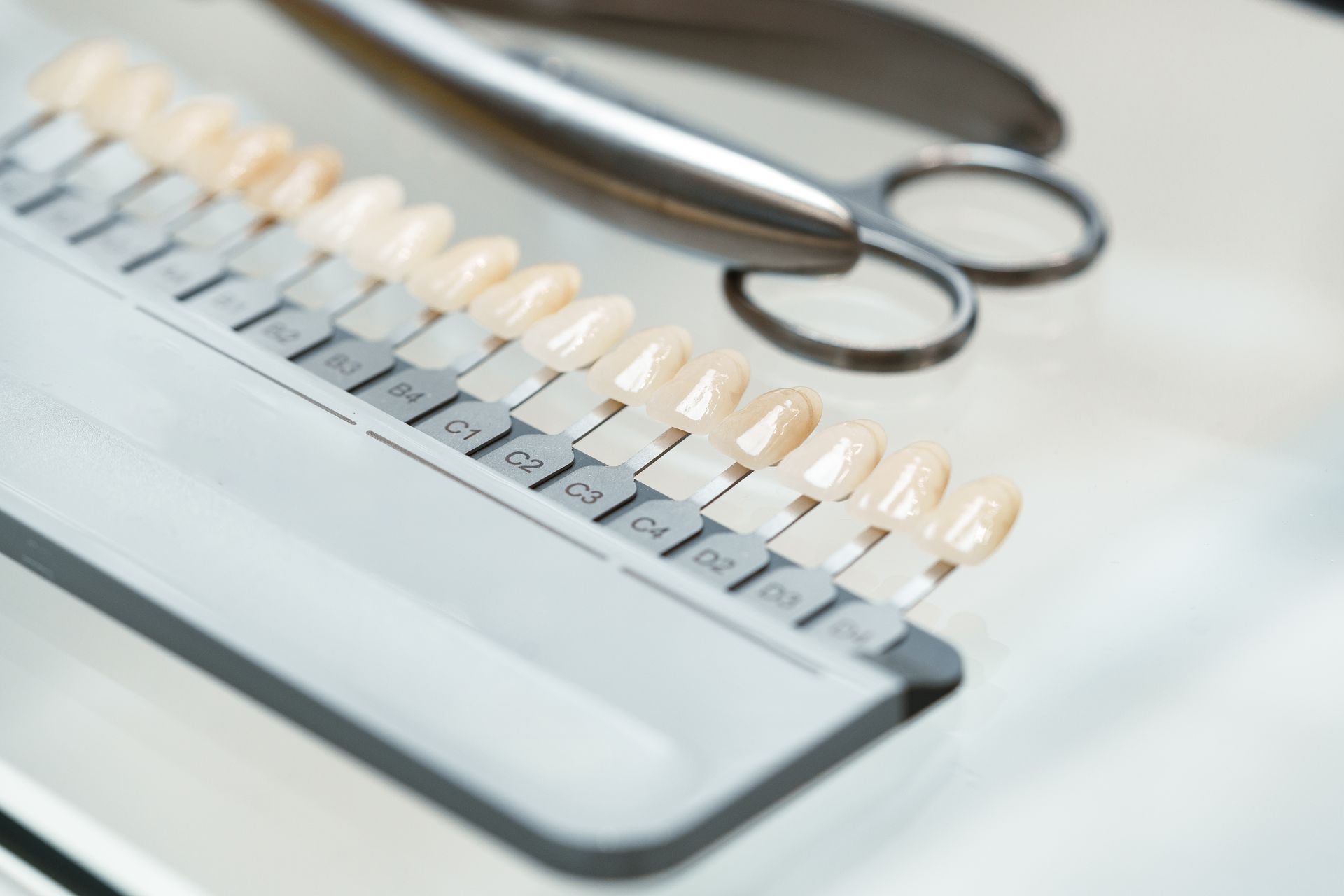
Missing teeth can have an impact beyond just the look of your smile. If you've lost a tooth because of decay, gum disease, an accident, or another dental problem, leaving that gap untreated can affect how you chew, speak clearly, and your overall oral health. It's important to understand why tooth replacement is so important if you're to make the right decisions about the long term health of your smile. At Patriot Family Dental, we believe every patient should feel confident in their smile and comfortable with their dental health. Missing teeth require a long-term approach to restore function, protect the teeth, and support your long-term oral health. Here are 7 very important reasons why replacing missing teeth is more important than you might think. 1. Prevent Your Remaining Teeth From Shifting When a tooth is no longer where it once was, the adjacent teeth can drift into the space left behind. This can result in a change in the space where food and plaque can become trapped. Replacing a missing tooth helps maintain proper positioning and alignment, reducing the risk of other dental problems. Your dentist can advise you on which tooth replacement option is most appropriate for you. 2. Maintain Your Ability to Chew Comfortably Your teeth work as a team to chew efficiently. If one or more of them are missing then chewing can be more difficult, particularly with harder foods. Over time you may find yourself avoiding certain foods or depending more on the teeth you do have. Having missing teeth replaced can help restore your chewing function and make it a lot easier to eat a varied and balanced diet. 3. Support Your Jawbone Health Your natural tooth roots are what stimulate the jawbone during the course of normal daily activity (chewing in particular). When a tooth is lost the bone in that area can progressively resorb as it no longer receives that stimulation. Dental implants can actually help stimulate the jawbone via their placement in the bone and thus can help to reduce the bone loss in that area. Your dentist will be able to advise you as to whether dental implants are appropriate for you in the light of your individual oral health, your bone structure and your individual circumstances. 4. Improve Speech and Pronunciation Your teeth are important for producing certain sounds. Depending on which teeth are missing, you may find your pronunciation is affected and speaking can feel a bit less natural. Replacing missing teeth can help with speech and can restore comfort when you're talking to people. The outcome will depend on the number and position of the missing teeth and the type of restoration you have. 5. Protect Your Remaining Teeth Missing teeth put pressure on the teeth that are left, especially when you're chewing. A change in your bite can cause uneven wear, discomfort, and more. Early intervention in the case of tooth loss can allow your dentist to assess your bite and recommend treatment to help preserve the health of your other teeth. Great oral hygiene and regular dental visits are key. 6. Restore Confidence in Your Smile Tooth loss can have an effect on your self image. Some people find themselves hesitant to smile, laugh, or speak in social situations because they're self-conscious about the gaps. Tooth replacement options can go some way to restoring the look of your smile and can make social interaction a lot more comfortable. The options available will depend on your individual requirements and may include dental implants, bridges or dentures. 7. Explore the Right Tooth Replacement Option There is no one solution that works for everybody. You can have dental implants, you can have a fixed bridge or you can have removable dentures. Each of those has its pros and cons. Your dentist assesses overall oral health, the number of teeth you're missing, the state of your jawbone and your treatment objectives prior to recommending the most suitable option. It may also be advantageous to replace your missing teeth as soon as possible in order to avoid some of the problems associated with the loss of teeth. Maintain Your Smile With the Best Dental Care Replacing missing teeth is about far more than just restoring the appearance of your smile. It can help with chewing, with speech, it can help to maintain the alignment of your other teeth and it can in fact be of benefit to your long term oral health.  At Patriot Family Dental we are all about helping people understand their options and finding the right solution for them. If you have one or more missing teeth we can assess your smile and talk you through the various tooth replacement options available to you, whether that be dental implants, bridges or dentures. Plan your dental appointment today to learn how replacing missing teeth can help you protect your oral health and enjoy a healthier, more assured smile.
September 30, 2026
Setting healthy habits in children from an early age can establish the basis for good oral health throughout their lives. If you establish at home a regular oral hygiene routine that is suitable for kids, brushing and flossing will be easier for them and at the same time they will come to understand the importance of looking after their teeth. We at Patriot Family Dental believe teaching children about oral hygiene should be uplifting and supportive, and setting up a routine that suits your child’s age, personality, and individual needs can make daily dental care a natural part of their day. Here are eight tips for making a kid-friendly oral care routine at home. 1. Make Brushing Part of the Daily Routine Children benefit from routine, so make sure they brush twice a day: in the morning and before bed. Brushing your teeth at the same times every day can help children realize that looking after their teeth is an important part of their daily routine, and parents should keep an eye on young children to make sure they brush well. 2. Choose a Kid-Friendly Toothbrush When selecting a toothbrush, choose one that is comfortable and suitable for your child's age and mouth; letting your child choose a toothbrush with a favorite color or character can make brushing more enjoyable. Change the toothbrush when the bristles become worn, after three months, or as your dentist recommends. 3. Use Fluoride Toothpaste Fluoride toothpaste makes tooth enamel strong and protects against cavities; use an amount suitable for your child's age, and ask them to brush all surfaces of their teeth. For younger children, parents should watch them brush and help them use the right amount of toothpaste. 4. Teach Your Child to Brush Thoroughly Brushing isn't enough if some areas of the mouth are overlooked. Teach your child to gently brush the front, back, and chewing surfaces of their teeth. If children develop good brushing habits early, it will be easier for them to maintain proper oral hygiene as they become more independent. 5. Introduce Daily Flossing Brushing alone can't remove all the debris between the teeth. Once a child's teeth start to touch, daily flossing removes food debris and plaque between the teeth. Parents will need to help younger children floss until they develop the coordination to do it themselves. 6. Make Oral Hygiene Fun A child's routine for looking after their teeth needn't be something they find boring. You could brush while playing a favourite song, use a brushing timer, or make a simple reward chart to promote consistent habits. Positive encouragement can help children link good oral hygiene with an enjoyable activity rather than something they want to avoid. 7. Encourage Healthy Food and Drink Choices A child's diet can also affect their dental health. Promote nutritious foods and reduce intake of sweet treats that can lead to tooth decay. Water is an excellent everyday drink and can help wash away food particles between meals. 8. Schedule Regular Dental Visits  Regular dental visits are an important part of your child's oral hygiene routine. These professional dental examinations help your dentist monitor tooth development, look for cavities, and advise you on brushing, flossing, and other preventive care. Dental visits at a young age help children become more comfortable with receiving dental care. Build Healthy Habits for a Lifetime Building a kid-friendly oral hygiene routine at home doesn't have to be complicated. Consistent brushing and flossing, healthy habits, positive encouragement, and regular dental visits can help children build a firm foundation for lifelong oral health . At Patriot Family Dental, we are committed to helping children and families maintain healthy smiles at every stage of life. If you have questions about your child’s oral hygiene routine , our team can give personalized recommendations based on their age, dental development, and individual needs. Schedule your child’s next dental appointment today and give them the tools they need to build healthy oral hygiene practices for the future.
August 28, 2026
Dental veneers can improve your smile by improving the shape, color, and look of your teeth. While veneers are durable, adequate care is essential to keep their appearance and protect your underlying teeth. Knowing how to care for dental veneers can help you enjoy your smile for years. At Patriot Family Dental, we believe maintaining your smile goes beyond cosmetic treatment. Daily habits, regular dental visits, and preventive care all play an important role in keeping dental veneers looking their best. Here are eight habits that can help protect your veneers and your overall oral health. 1. Brush Your Teeth Twice a Day Oral hygiene is one of the most important parts of caring for dental veneers . Brush your teeth twice daily using a gentle-bristled toothbrush and fluoride toothpaste. Brushing gets rid of plaque and bacteria that build up around your veneers and along the gumline. Keeping these areas clean also helps protect the natural teeth beneath and around your veneers. 2. Floss Every Day Flossing is essential even after getting veneers. Food residue and plaque can become trapped between teeth and near the gums, possibly contributing to gum disease and other oral health problems. Make daily flossing part of your routine to help keep your teeth and gums healthy while protecting your investment in your smile. 3. Avoid Using Your Teeth as Tools Your teeth are designed for eating, not opening packages, biting across plastic, or holding objects. Using your teeth as tools can place unnecessary pressure on veneers and natural teeth. Avoid habits that could cause excessive force or potentially chip or damage a veneer. 4. Be Careful with Hard Foods Dental veneers are durable but not indestructible. Frequently biting very hard foods or objects can place stress on veneers. If you enjoy hard candies, ice, or other hard items, consider avoiding them or choosing softer alternatives to protect your smile. 5. Limit Staining Foods and Beverages Depending on the type of veneers you have, the veneer material itself may be resistant to staining, but the natural teeth surrounding your veneers can still discolor. Coffee, tea, red wine, and other pigmented foods and beverages contribute to staining over time. Moderation and good oral hygiene can help maintain a consistent appearance. 6. Wear a Mouthguard If You Grind Your Teeth Teeth grinding and clenching can put significant pressure on veneers and natural teeth. Grinding teeth while sleeping is common, so consider whether a custom mouthguard is right for you. Protective appliances can reduce excessive pressure and shield your smile. 7. Schedule Regular Dental Checkups Normal dental exams and professional cleanings maintain your veneers and overall oral health. During your appointments, your dentist can examine your veneers, gums, and natural teeth and identify likely concerns early. Professional dental cleanings remove plaque and buildup that regular brushing and flossing may miss. 8. Follow Your Dentist’s Recommendations Each grin is different, and your dentist can provide personalized recommendations based on your veneers, oral health, and daily habits. If you notice sensitivity, discomfort, changes in your bite, or damage to a veneer, contact your dental office instead of trying to fix the issue yourself. Following professional guidance is one of the best ways to help your cosmetic dental treatment last. Protect Your Investment in Your Smile Learning how to care for dental veneers does not require a complicated routine. Consistent brushing and flossing, mindful eating, protective measures, and consistent dental visits can help preserve your veneers while supporting healthy teeth and gums. At Patriot Family Dental, we are committed to helping patients maintain beautiful, healthy smiles long after cosmetic dental treatment. If you have dental veneers or are considering veneers, our team can provide customized advice on maintaining your smile and protecting your oral health. Schedule your next dental appointment today to learn how the right habits and professional care can keep your smile looking its best.
July 29, 2026
As a parent, you want to protect your child’s smile. While brushing, flossing, and regular dental checkups are essential, some areas of the teeth are harder to keep clean. That’s where dental sealants for kids can make a big difference. At Patriot Family Dental, we believe prevention is the best approach to lifelong oral health. Dental sealants are a simple, safe, and effective way to protect children’s teeth from cavities before they start. If you’ve wondered whether dental sealants are worth it, here’s what you need to know. What Are Dental Sealants? Dental sealants are thin, protective coatings placed onto the chewing surfaces of the back teeth, also known as the molars and premolars. Molars have peaks and valleys where food particles and bacteria can easily become trapped, rendering them more susceptible to tooth decay. The sealant creates a smooth barrier over these grooves, preventing plaque and bacteria from settling in hard-to-reach areas. The application is quick, painless, and requires no drilling or removal of tooth structure. Why Are Sealants Recommended for Children? Children are prone to cavities because they are still developing strong oral hygiene habits. Even with consistent brushing, it’s often difficult to thoroughly clean the deep grooves in the back teeth. Most children receive dental sealants shortly after their permanent molars erupt, typically around ages 6 and 12. Applying sealants during these years provides protection when the risk of cavities is highest. Research shows dental sealants can significantly reduce the risk of cavities in permanent molars, making them among the most effective preventive treatments available for children. Benefits of Dental Sealants Dental sealants offer several important advantages for growing smiles, including: Helping prevent cavities before they develop Protecting hard-to-clean chewing surfaces Diminishing the need for future fillings or more extensive dental treatment Offering long-lasting protection with proper care Supplying a quick, comfortable, and non-invasive procedure Sealants work alongside good oral hygiene—not as a replacement for brushing and flossing, but as an added layer of protection. How Long Do Dental Sealants Last? They are very durable and can last several years. During your child’s routine dental visits, we will check the sealants to make certain they remain intact. If a sealant becomes worn or chipped, it can often be repaired or replaced quickly. Regular dental examinations allow us to monitor both the sealants and your child’s overall oral health. Are Dental Sealants Safe? Of course; they have been used safely for decades and are recommended by leading dental organizations as a productive way to prevent tooth decay in children. The materials are carefully tested for safety, and the application process is painless. In just a few minutes per tooth, children receive protection that may help prevent cavities for years. Supporting Healthy Smiles at Home While dental sealants afford valuable protection, they work best combined with healthy daily habits. Parents can help children maintain strong teeth by: Brushing twice a day with fluoride toothpaste Flossing every day Limiting sweet snacks and beverages Encouraging a balanced, nutritious diet Scheduling regular dental cleanings and exams These simple habits, together with preventive treatments like sealants, create a firm foundation for lifelong oral health. Protect Your Child’s Smile with Preventive Care Dental sealants are a smart investment in your child’s long-term oral health. By protecting vulnerable teeth before cavities develop, sealants help reduce future dental problems, save time, and lower treatment costs. At Patriot Family Dental, we’re committed to helping children build strong, bright smiles that last a lifetime. Our team will evaluate your child’s teeth and determine if sealants are the right choice based on their individual needs. Schedule your child’s next dental appointment today while discovering how preventive care can keep their smile healthy, strong, and cavity-free for years to come. 
June 29, 2026
At Patriot Family Dental, we know your gums do more than support your teeth. The condition of your gums can give valuable insight into your overall health. Changes in your gum health may be early warning signs of issues affecting other parts of the body. Understanding what your gums tell you can help you take early actions to preserve your oral health and general well-being. Healthy Gums Signify Positive Oral Health Healthy gums should appear pink, firm, and fit snugly around your teeth. They should not bleed during brushing or flossing or feel tender or swollen. Healthy gums create a protective barrier that keeps harmful bacteria from entering the bloodstream. However, when gum health begins to decline, your body may be signaling that something needs attention. Warning Signs You Shouldn’t Ignore Many people assume bleeding gums are normal, but they are often an early sign of gum disease. Gum disease begins when plaque and bacteria accumulate along the gumline, causing inflammation and irritation. Common symptoms that may indicate a problem include: • Bleeding gums during brushing or flossing • Red, swollen, or tender gums • Persistent bad breath • Receding gums • Loose teeth • Increased tooth sensitivity • Pain when chewing If you notice any of these symptoms, schedule a dental examination as soon as possible. Early treatment can prevent more serious oral and systemic health concerns. The Link Between Gums & Overall Health Studies have proven strong relationships from oral issues to several chronic health conditions. Inflammation from periodontal disease may affect the body’s immune response and contribute to other health complications. Studies have linked gum disease to: • Heart disease • Diabetes • Stroke • Respiratory infections • Pregnancy complications Uncontrolled diabetes can make gum disease harder to manage, while severe gum disease may make blood sugar levels harder to control. This two-way relationship highlights the crucial role of maintaining healthy gums in integrated healthcare. What Receding Gums May Be Telling You Gum recession occurs when gum tissue pulls away from the teeth, exposing more of the tooth root. It can be caused by gum disease, aggressive brushing, tobacco use, or teeth grinding. Receding gums may cause tooth sensitivity and increase the risk of decay below the gumline. Addressing the cause early helps preserve oral health and prevent further damage. Preventive Dental Care Makes a Difference One of the best ways to keep your gums healthy is regular preventive dental care. Professional cleanings remove plaque and tartar buildup that brushing and flossing alone cannot eliminate. At Patriot Family Dental, we evaluate your gum health during routine visits. By spotting signs of inflammation, infection, or gum disease early, we help you sustain a healthier smile and reduce future risks. You can also support healthy gums at home by: • Brushing twice daily with fluoride toothpaste • Flossing every day • Using an antimicrobial mouthwash • Eating a balanced diet • Avoiding tobacco products • Scheduling regular dental checkups Listen to Your Gums  Your gums reveal important information about your oral and overall health. Paying attention to changes, including bleeding, swelling, or recession, helps catch likely concerns before they worsen. At Patriot Family Dental, we are committed to helping patients achieve healthier smiles via comprehensive, personalized dental care. Whether you are due for a regular cleaning or have concerns about your gum health, our experienced team is here to help. Schedule your next dental appointment today, then take an important step toward protecting your smile and your total wellness.
The Link Between Oral Health and Heart Health
June 1, 2026
At Patriot Family Dental, we believe your smile is connected to more than just your teeth. Your oral health plays an important role in your overall wellness...
Headache & Migraine Relief: How Patriot Family Dental Helps Address Dental-Related Pain
May 1, 2026
Headaches and migraines affect millions, often disrupting daily life and well-being. While many turn to medication for relief, some headaches....
Early Signs of Tooth Decay You Shouldn’t Ignore
By Bob Berendsen • April 1, 2026
Tooth decay is a common dental concern, but it often begins with subtle symptoms that are easy to overlook. Catching these early warning signs...
How Oral Health Changes as You Age: What to Expect
By Bob Berendsen • March 11, 2026
As we get older, our smiles go through natural changes - some subtle, some more noticeable. Learning about these shifts can help you protect your oral...
By Bob Berendsen • February 1, 2026
At Patriot Family Dental, we believe that the top-of-the-line dental care starts with prevention. Preventive and consistent dental attention plays...
Show More
October 30, 2026
Missing teeth can have an impact beyond just the look of your smile. If you've lost a tooth because of decay, gum disease, an accident, or another dental problem, leaving that gap untreated can affect how you chew, speak clearly, and your overall oral health. It's important to understand why tooth replacement is so important if you're to make the right decisions about the long term health of your smile. At Patriot Family Dental, we believe every patient should feel confident in their smile and comfortable with their dental health. Missing teeth require a long-term approach to restore function, protect the teeth, and support your long-term oral health. Here are 7 very important reasons why replacing missing teeth is more important than you might think. 1. Prevent Your Remaining Teeth From Shifting When a tooth is no longer where it once was, the adjacent teeth can drift into the space left behind. This can result in a change in the space where food and plaque can become trapped. Replacing a missing tooth helps maintain proper positioning and alignment, reducing the risk of other dental problems. Your dentist can advise you on which tooth replacement option is most appropriate for you. 2. Maintain Your Ability to Chew Comfortably Your teeth work as a team to chew efficiently. If one or more of them are missing then chewing can be more difficult, particularly with harder foods. Over time you may find yourself avoiding certain foods or depending more on the teeth you do have. Having missing teeth replaced can help restore your chewing function and make it a lot easier to eat a varied and balanced diet. 3. Support Your Jawbone Health Your natural tooth roots are what stimulate the jawbone during the course of normal daily activity (chewing in particular). When a tooth is lost the bone in that area can progressively resorb as it no longer receives that stimulation. Dental implants can actually help stimulate the jawbone via their placement in the bone and thus can help to reduce the bone loss in that area. Your dentist will be able to advise you as to whether dental implants are appropriate for you in the light of your individual oral health, your bone structure and your individual circumstances. 4. Improve Speech and Pronunciation Your teeth are important for producing certain sounds. Depending on which teeth are missing, you may find your pronunciation is affected and speaking can feel a bit less natural. Replacing missing teeth can help with speech and can restore comfort when you're talking to people. The outcome will depend on the number and position of the missing teeth and the type of restoration you have. 5. Protect Your Remaining Teeth Missing teeth put pressure on the teeth that are left, especially when you're chewing. A change in your bite can cause uneven wear, discomfort, and more. Early intervention in the case of tooth loss can allow your dentist to assess your bite and recommend treatment to help preserve the health of your other teeth. Great oral hygiene and regular dental visits are key. 6. Restore Confidence in Your Smile Tooth loss can have an effect on your self image. Some people find themselves hesitant to smile, laugh, or speak in social situations because they're self-conscious about the gaps. Tooth replacement options can go some way to restoring the look of your smile and can make social interaction a lot more comfortable. The options available will depend on your individual requirements and may include dental implants, bridges or dentures. 7. Explore the Right Tooth Replacement Option There is no one solution that works for everybody. You can have dental implants, you can have a fixed bridge or you can have removable dentures. Each of those has its pros and cons. Your dentist assesses overall oral health, the number of teeth you're missing, the state of your jawbone and your treatment objectives prior to recommending the most suitable option. It may also be advantageous to replace your missing teeth as soon as possible in order to avoid some of the problems associated with the loss of teeth. Maintain Your Smile With the Best Dental Care Replacing missing teeth is about far more than just restoring the appearance of your smile. It can help with chewing, with speech, it can help to maintain the alignment of your other teeth and it can in fact be of benefit to your long term oral health.  At Patriot Family Dental we are all about helping people understand their options and finding the right solution for them. If you have one or more missing teeth we can assess your smile and talk you through the various tooth replacement options available to you, whether that be dental implants, bridges or dentures. Plan your dental appointment today to learn how replacing missing teeth can help you protect your oral health and enjoy a healthier, more assured smile.
September 30, 2026
Setting healthy habits in children from an early age can establish the basis for good oral health throughout their lives. If you establish at home a regular oral hygiene routine that is suitable for kids, brushing and flossing will be easier for them and at the same time they will come to understand the importance of looking after their teeth. We at Patriot Family Dental believe teaching children about oral hygiene should be uplifting and supportive, and setting up a routine that suits your child’s age, personality, and individual needs can make daily dental care a natural part of their day. Here are eight tips for making a kid-friendly oral care routine at home. 1. Make Brushing Part of the Daily Routine Children benefit from routine, so make sure they brush twice a day: in the morning and before bed. Brushing your teeth at the same times every day can help children realize that looking after their teeth is an important part of their daily routine, and parents should keep an eye on young children to make sure they brush well. 2. Choose a Kid-Friendly Toothbrush When selecting a toothbrush, choose one that is comfortable and suitable for your child's age and mouth; letting your child choose a toothbrush with a favorite color or character can make brushing more enjoyable. Change the toothbrush when the bristles become worn, after three months, or as your dentist recommends. 3. Use Fluoride Toothpaste Fluoride toothpaste makes tooth enamel strong and protects against cavities; use an amount suitable for your child's age, and ask them to brush all surfaces of their teeth. For younger children, parents should watch them brush and help them use the right amount of toothpaste. 4. Teach Your Child to Brush Thoroughly Brushing isn't enough if some areas of the mouth are overlooked. Teach your child to gently brush the front, back, and chewing surfaces of their teeth. If children develop good brushing habits early, it will be easier for them to maintain proper oral hygiene as they become more independent. 5. Introduce Daily Flossing Brushing alone can't remove all the debris between the teeth. Once a child's teeth start to touch, daily flossing removes food debris and plaque between the teeth. Parents will need to help younger children floss until they develop the coordination to do it themselves. 6. Make Oral Hygiene Fun A child's routine for looking after their teeth needn't be something they find boring. You could brush while playing a favourite song, use a brushing timer, or make a simple reward chart to promote consistent habits. Positive encouragement can help children link good oral hygiene with an enjoyable activity rather than something they want to avoid. 7. Encourage Healthy Food and Drink Choices A child's diet can also affect their dental health. Promote nutritious foods and reduce intake of sweet treats that can lead to tooth decay. Water is an excellent everyday drink and can help wash away food particles between meals. 8. Schedule Regular Dental Visits  Regular dental visits are an important part of your child's oral hygiene routine. These professional dental examinations help your dentist monitor tooth development, look for cavities, and advise you on brushing, flossing, and other preventive care. Dental visits at a young age help children become more comfortable with receiving dental care. Build Healthy Habits for a Lifetime Building a kid-friendly oral hygiene routine at home doesn't have to be complicated. Consistent brushing and flossing, healthy habits, positive encouragement, and regular dental visits can help children build a firm foundation for lifelong oral health . At Patriot Family Dental, we are committed to helping children and families maintain healthy smiles at every stage of life. If you have questions about your child’s oral hygiene routine , our team can give personalized recommendations based on their age, dental development, and individual needs. Schedule your child’s next dental appointment today and give them the tools they need to build healthy oral hygiene practices for the future.
August 28, 2026
Dental veneers can improve your smile by improving the shape, color, and look of your teeth. While veneers are durable, adequate care is essential to keep their appearance and protect your underlying teeth. Knowing how to care for dental veneers can help you enjoy your smile for years. At Patriot Family Dental, we believe maintaining your smile goes beyond cosmetic treatment. Daily habits, regular dental visits, and preventive care all play an important role in keeping dental veneers looking their best. Here are eight habits that can help protect your veneers and your overall oral health. 1. Brush Your Teeth Twice a Day Oral hygiene is one of the most important parts of caring for dental veneers . Brush your teeth twice daily using a gentle-bristled toothbrush and fluoride toothpaste. Brushing gets rid of plaque and bacteria that build up around your veneers and along the gumline. Keeping these areas clean also helps protect the natural teeth beneath and around your veneers. 2. Floss Every Day Flossing is essential even after getting veneers. Food residue and plaque can become trapped between teeth and near the gums, possibly contributing to gum disease and other oral health problems. Make daily flossing part of your routine to help keep your teeth and gums healthy while protecting your investment in your smile. 3. Avoid Using Your Teeth as Tools Your teeth are designed for eating, not opening packages, biting across plastic, or holding objects. Using your teeth as tools can place unnecessary pressure on veneers and natural teeth. Avoid habits that could cause excessive force or potentially chip or damage a veneer. 4. Be Careful with Hard Foods Dental veneers are durable but not indestructible. Frequently biting very hard foods or objects can place stress on veneers. If you enjoy hard candies, ice, or other hard items, consider avoiding them or choosing softer alternatives to protect your smile. 5. Limit Staining Foods and Beverages Depending on the type of veneers you have, the veneer material itself may be resistant to staining, but the natural teeth surrounding your veneers can still discolor. Coffee, tea, red wine, and other pigmented foods and beverages contribute to staining over time. Moderation and good oral hygiene can help maintain a consistent appearance. 6. Wear a Mouthguard If You Grind Your Teeth Teeth grinding and clenching can put significant pressure on veneers and natural teeth. Grinding teeth while sleeping is common, so consider whether a custom mouthguard is right for you. Protective appliances can reduce excessive pressure and shield your smile. 7. Schedule Regular Dental Checkups Normal dental exams and professional cleanings maintain your veneers and overall oral health. During your appointments, your dentist can examine your veneers, gums, and natural teeth and identify likely concerns early. Professional dental cleanings remove plaque and buildup that regular brushing and flossing may miss. 8. Follow Your Dentist’s Recommendations Each grin is different, and your dentist can provide personalized recommendations based on your veneers, oral health, and daily habits. If you notice sensitivity, discomfort, changes in your bite, or damage to a veneer, contact your dental office instead of trying to fix the issue yourself. Following professional guidance is one of the best ways to help your cosmetic dental treatment last. Protect Your Investment in Your Smile Learning how to care for dental veneers does not require a complicated routine. Consistent brushing and flossing, mindful eating, protective measures, and consistent dental visits can help preserve your veneers while supporting healthy teeth and gums. At Patriot Family Dental, we are committed to helping patients maintain beautiful, healthy smiles long after cosmetic dental treatment. If you have dental veneers or are considering veneers, our team can provide customized advice on maintaining your smile and protecting your oral health. Schedule your next dental appointment today to learn how the right habits and professional care can keep your smile looking its best.
July 29, 2026
As a parent, you want to protect your child’s smile. While brushing, flossing, and regular dental checkups are essential, some areas of the teeth are harder to keep clean. That’s where dental sealants for kids can make a big difference. At Patriot Family Dental, we believe prevention is the best approach to lifelong oral health. Dental sealants are a simple, safe, and effective way to protect children’s teeth from cavities before they start. If you’ve wondered whether dental sealants are worth it, here’s what you need to know. What Are Dental Sealants? Dental sealants are thin, protective coatings placed onto the chewing surfaces of the back teeth, also known as the molars and premolars. Molars have peaks and valleys where food particles and bacteria can easily become trapped, rendering them more susceptible to tooth decay. The sealant creates a smooth barrier over these grooves, preventing plaque and bacteria from settling in hard-to-reach areas. The application is quick, painless, and requires no drilling or removal of tooth structure. Why Are Sealants Recommended for Children? Children are prone to cavities because they are still developing strong oral hygiene habits. Even with consistent brushing, it’s often difficult to thoroughly clean the deep grooves in the back teeth. Most children receive dental sealants shortly after their permanent molars erupt, typically around ages 6 and 12. Applying sealants during these years provides protection when the risk of cavities is highest. Research shows dental sealants can significantly reduce the risk of cavities in permanent molars, making them among the most effective preventive treatments available for children. Benefits of Dental Sealants Dental sealants offer several important advantages for growing smiles, including: Helping prevent cavities before they develop Protecting hard-to-clean chewing surfaces Diminishing the need for future fillings or more extensive dental treatment Offering long-lasting protection with proper care Supplying a quick, comfortable, and non-invasive procedure Sealants work alongside good oral hygiene—not as a replacement for brushing and flossing, but as an added layer of protection. How Long Do Dental Sealants Last? They are very durable and can last several years. During your child’s routine dental visits, we will check the sealants to make certain they remain intact. If a sealant becomes worn or chipped, it can often be repaired or replaced quickly. Regular dental examinations allow us to monitor both the sealants and your child’s overall oral health. Are Dental Sealants Safe? Of course; they have been used safely for decades and are recommended by leading dental organizations as a productive way to prevent tooth decay in children. The materials are carefully tested for safety, and the application process is painless. In just a few minutes per tooth, children receive protection that may help prevent cavities for years. Supporting Healthy Smiles at Home While dental sealants afford valuable protection, they work best combined with healthy daily habits. Parents can help children maintain strong teeth by: Brushing twice a day with fluoride toothpaste Flossing every day Limiting sweet snacks and beverages Encouraging a balanced, nutritious diet Scheduling regular dental cleanings and exams These simple habits, together with preventive treatments like sealants, create a firm foundation for lifelong oral health. Protect Your Child’s Smile with Preventive Care Dental sealants are a smart investment in your child’s long-term oral health. By protecting vulnerable teeth before cavities develop, sealants help reduce future dental problems, save time, and lower treatment costs. At Patriot Family Dental, we’re committed to helping children build strong, bright smiles that last a lifetime. Our team will evaluate your child’s teeth and determine if sealants are the right choice based on their individual needs. Schedule your child’s next dental appointment today while discovering how preventive care can keep their smile healthy, strong, and cavity-free for years to come. 
June 29, 2026
At Patriot Family Dental, we know your gums do more than support your teeth. The condition of your gums can give valuable insight into your overall health. Changes in your gum health may be early warning signs of issues affecting other parts of the body. Understanding what your gums tell you can help you take early actions to preserve your oral health and general well-being. Healthy Gums Signify Positive Oral Health Healthy gums should appear pink, firm, and fit snugly around your teeth. They should not bleed during brushing or flossing or feel tender or swollen. Healthy gums create a protective barrier that keeps harmful bacteria from entering the bloodstream. However, when gum health begins to decline, your body may be signaling that something needs attention. Warning Signs You Shouldn’t Ignore Many people assume bleeding gums are normal, but they are often an early sign of gum disease. Gum disease begins when plaque and bacteria accumulate along the gumline, causing inflammation and irritation. Common symptoms that may indicate a problem include: • Bleeding gums during brushing or flossing • Red, swollen, or tender gums • Persistent bad breath • Receding gums • Loose teeth • Increased tooth sensitivity • Pain when chewing If you notice any of these symptoms, schedule a dental examination as soon as possible. Early treatment can prevent more serious oral and systemic health concerns. The Link Between Gums & Overall Health Studies have proven strong relationships from oral issues to several chronic health conditions. Inflammation from periodontal disease may affect the body’s immune response and contribute to other health complications. Studies have linked gum disease to: • Heart disease • Diabetes • Stroke • Respiratory infections • Pregnancy complications Uncontrolled diabetes can make gum disease harder to manage, while severe gum disease may make blood sugar levels harder to control. This two-way relationship highlights the crucial role of maintaining healthy gums in integrated healthcare. What Receding Gums May Be Telling You Gum recession occurs when gum tissue pulls away from the teeth, exposing more of the tooth root. It can be caused by gum disease, aggressive brushing, tobacco use, or teeth grinding. Receding gums may cause tooth sensitivity and increase the risk of decay below the gumline. Addressing the cause early helps preserve oral health and prevent further damage. Preventive Dental Care Makes a Difference One of the best ways to keep your gums healthy is regular preventive dental care. Professional cleanings remove plaque and tartar buildup that brushing and flossing alone cannot eliminate. At Patriot Family Dental, we evaluate your gum health during routine visits. By spotting signs of inflammation, infection, or gum disease early, we help you sustain a healthier smile and reduce future risks. You can also support healthy gums at home by: • Brushing twice daily with fluoride toothpaste • Flossing every day • Using an antimicrobial mouthwash • Eating a balanced diet • Avoiding tobacco products • Scheduling regular dental checkups Listen to Your Gums  Your gums reveal important information about your oral and overall health. Paying attention to changes, including bleeding, swelling, or recession, helps catch likely concerns before they worsen. At Patriot Family Dental, we are committed to helping patients achieve healthier smiles via comprehensive, personalized dental care. Whether you are due for a regular cleaning or have concerns about your gum health, our experienced team is here to help. Schedule your next dental appointment today, then take an important step toward protecting your smile and your total wellness.
The Link Between Oral Health and Heart Health
June 1, 2026
At Patriot Family Dental, we believe your smile is connected to more than just your teeth. Your oral health plays an important role in your overall wellness...
Headache & Migraine Relief: How Patriot Family Dental Helps Address Dental-Related Pain
May 1, 2026
Headaches and migraines affect millions, often disrupting daily life and well-being. While many turn to medication for relief, some headaches....
Early Signs of Tooth Decay You Shouldn’t Ignore
By Bob Berendsen • April 1, 2026
Tooth decay is a common dental concern, but it often begins with subtle symptoms that are easy to overlook. Catching these early warning signs...
How Oral Health Changes as You Age: What to Expect
By Bob Berendsen • March 11, 2026
As we get older, our smiles go through natural changes - some subtle, some more noticeable. Learning about these shifts can help you protect your oral...
By Bob Berendsen • February 1, 2026
At Patriot Family Dental, we believe that the top-of-the-line dental care starts with prevention. Preventive and consistent dental attention plays...