Preventing Cavities: Tips for Effective Dental Care

June 3, 2024


A dazzling smile is a powerful asset that helps you make a positive first impression. Unfortunately, there are many dental issues that can threaten your healthy smile. The chief among them is a cavity. Cavities are particularly nasty, as they can not only cause pain but also lead to more serious problems if left untreated. Luckily, you can try proactive measures to keep them from happening, and your dentist can help!

Here’s a look at the condition and some great tips that can help you prevent it.


Cavities and Tooth Decay

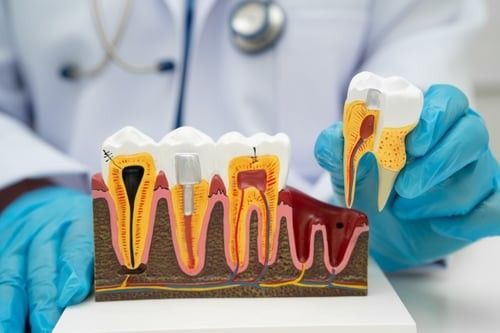
Cavities are tiny holes that form on the enamel, the hard surface of a tooth. It is the result of tooth decay, a gradual process that starts with the erosion of the outer layer. This is primarily caused by plaque, a sticky film that forms on your teeth after you eat or drink. Plaque harbors bacteria that thrive on sugar and starches in your food. As these bacteria feed, they produce acids that eat away at your tooth enamel, eventually leading to cavities.


Cavities can grow deeper if left untreated, affecting the inner dentin layer of your teeth. This can cause sensitivity, pain, and eventually, even tooth loss. In most cases, early detection can help you reverse the damage caused by the condition. 


10 Tips to Prevent Cavities

The good news is that this dental issue is largely preventable. Here are ten practical tips to keep those pearly whites healthy and strong:


Brush Regularly

You should brush at least twice a day to remove food particles and plaque from your teeth. This is necessary to prevent the buildup of bacteria that can cause cavities. Remember to brush gently and thoroughly, covering all areas of your mouth, including the front, back, and chewing surfaces.


Don’t Forget to Floss

In addition to brushing, it's best to floss your teeth once a day. Dental floss removes plaque and food debris between your teeth and along the gumline, where your toothbrush may not reach. This helps prevent cavities and gum disease, keeping your smile healthy and bright.


Watch Your Diet

Limit your consumption of sugary and starchy foods, as these can contribute to plaque formation. You can choose a balanced diet of fruits, vegetables, lean proteins, and dairy products. These foods help promote saliva production, which neutralizes acids in your mouth and protects your teeth from decay.


Use Fluoride Products

A mineral called fluoride can strengthen tooth enamel, making it more resistant. Toothpaste or mouthwash made with this compound can significantly reduce your risk of developing cavities. Look for oral products with the American Dental Association (ADA) Seal of Acceptance to ensure their effectiveness. You can also discuss the possibility of using a topical fluoride treatment with your dentist, particularly if you are at a higher risk of cavities.


Increase Water Intake

Water is not only essential for oral health but also for overall health. Drinking water helps rinse food particles and bacteria from your mouth, reducing your risk of cavities and keeping your breath fresh. If you have a dry mouth, it’s also the best way to stimulate your salivary glands. If you experience chronic dry mouth, talk to your dentist about potential causes and treatment options.


Use Sugar-Free Gum

Chewing sugar-free gum after meals can be a helpful addition to your oral care routine. The act of chewing stimulates saliva production, which washes away food particles and helps neutralize acids in your mouth. Choose gum sweetened with xylitol, an artificial sweetener shown to have some cavity-fighting properties.


Avoid Tobacco Products

Smoking and using other tobacco products can significantly increase your risk of developing cavities and gum disease. Quitting tobacco is one of the best things you can do for your oral health and overall well-being. This is because the chemicals in tobacco products can lead to oral cancer and other devastating diseases. If you need help quitting, ask your dentist or healthcare provider for support and resources.


Think About Sealants

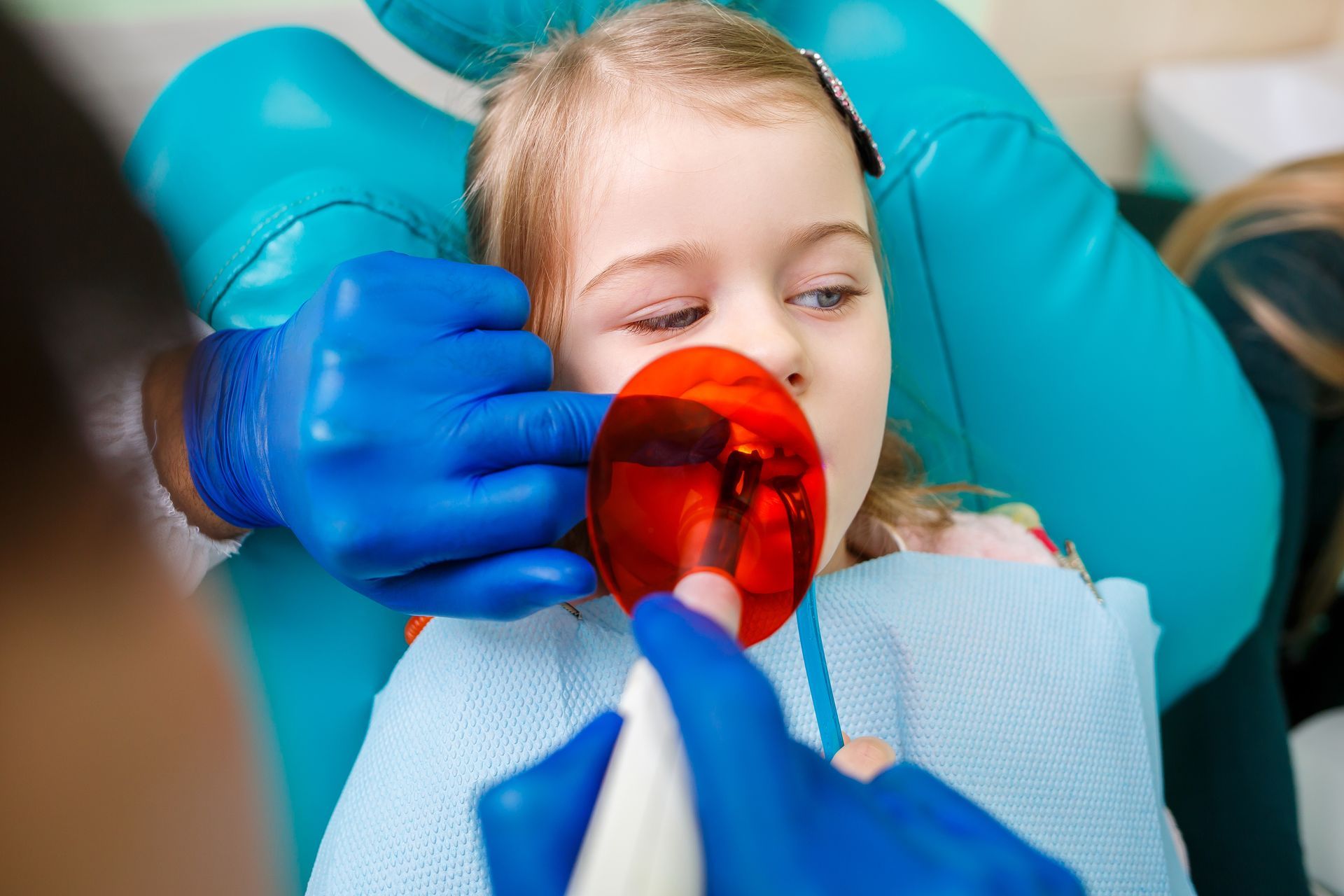
Your back teeth, particularly the molars and premolars, have deep grooves and pits prone to plaque buildup and cavities. Dental sealants are thin coatings applied to the chewing surfaces of these teeth. They act as a barrier, preventing food particles and bacteria from accumulating in these areas. They are a particularly effective preventive measure for children and teenagers whose teeth are still developing.


Be Mindful of Medications

Some drugs can result in dry mouth or salivary dysfunction. Since these can include certain antidepressants, antihistamines, or diuretics, you can talk to your dentist about potential strategies to reduce this risk. They may recommend using saliva substitutes or adjusting your medication regimen to mitigate the effects on your oral health.


Choose the Right Products

The oral needs of each individual can vary, so choose dental products that suit your specific needs. If you have sensitive teeth or gums, consider using a toothbrush with soft bristles and toothpaste designed for sensitivity. Using a hard-bristled brush can cause more damage to your teeth, delaying the healing process. 


The Role of a Dentist

While these tips are a great starting point, your dentist remains your most valuable partner in maintaining a healthy smile. Regular dental checkups allow for early detection and treatment of cavities, preventing them from progressing into more serious issues. During your visit, your dentist can also provide the following services:

  • Perform a Thorough Dental Cleaning: This professional cleaning removes plaque and tartar buildup, even in hard-to-reach areas.
  • Identify Early Signs of Tooth Decay: Early detection allows for prompt treatment with minimal intervention, saving you discomfort and potential complications down the line.
  • Provide Personalized Advice: Based on your oral health needs, your dentist can offer tailored recommendations for at-home care and preventive measures.


Don't wait until you have a cavity to take action! Schedule your next dental check-up with
Patriot Family Dental to preserve your healthy smile. As Clarksville’s leading restorative and preventive dentistry provider, we welcome walk-ins and emergencies. Our team of experienced dentists uses a proactive approach to prevent tooth decay and address any existing issues. Call 931.645.2469 today to book a consultation!

August 28, 2026
Dental veneers can improve your smile by improving the shape, color, and look of your teeth. While veneers are durable, adequate care is essential to keep their appearance and protect your underlying teeth. Knowing how to care for dental veneers can help you enjoy your smile for years. At Patriot Family Dental, we believe maintaining your smile goes beyond cosmetic treatment. Daily habits, regular dental visits, and preventive care all play an important role in keeping dental veneers looking their best. Here are eight habits that can help protect your veneers and your overall oral health. 1. Brush Your Teeth Twice a Day Oral hygiene is one of the most important parts of caring for dental veneers . Brush your teeth twice daily using a gentle-bristled toothbrush and fluoride toothpaste. Brushing gets rid of plaque and bacteria that build up around your veneers and along the gumline. Keeping these areas clean also helps protect the natural teeth beneath and around your veneers. 2. Floss Every Day Flossing is essential even after getting veneers. Food residue and plaque can become trapped between teeth and near the gums, possibly contributing to gum disease and other oral health problems. Make daily flossing part of your routine to help keep your teeth and gums healthy while protecting your investment in your smile. 3. Avoid Using Your Teeth as Tools Your teeth are designed for eating, not opening packages, biting across plastic, or holding objects. Using your teeth as tools can place unnecessary pressure on veneers and natural teeth. Avoid habits that could cause excessive force or potentially chip or damage a veneer. 4. Be Careful with Hard Foods Dental veneers are durable but not indestructible. Frequently biting very hard foods or objects can place stress on veneers. If you enjoy hard candies, ice, or other hard items, consider avoiding them or choosing softer alternatives to protect your smile. 5. Limit Staining Foods and Beverages Depending on the type of veneers you have, the veneer material itself may be resistant to staining, but the natural teeth surrounding your veneers can still discolor. Coffee, tea, red wine, and other pigmented foods and beverages contribute to staining over time. Moderation and good oral hygiene can help maintain a consistent appearance. 6. Wear a Mouthguard If You Grind Your Teeth Teeth grinding and clenching can put significant pressure on veneers and natural teeth. Grinding teeth while sleeping is common, so consider whether a custom mouthguard is right for you. Protective appliances can reduce excessive pressure and shield your smile. 7. Schedule Regular Dental Checkups Normal dental exams and professional cleanings maintain your veneers and overall oral health. During your appointments, your dentist can examine your veneers, gums, and natural teeth and identify likely concerns early. Professional dental cleanings remove plaque and buildup that regular brushing and flossing may miss. 8. Follow Your Dentist’s Recommendations Each grin is different, and your dentist can provide personalized recommendations based on your veneers, oral health, and daily habits. If you notice sensitivity, discomfort, changes in your bite, or damage to a veneer, contact your dental office instead of trying to fix the issue yourself. Following professional guidance is one of the best ways to help your cosmetic dental treatment last. Protect Your Investment in Your Smile Learning how to care for dental veneers does not require a complicated routine. Consistent brushing and flossing, mindful eating, protective measures, and consistent dental visits can help preserve your veneers while supporting healthy teeth and gums. At Patriot Family Dental, we are committed to helping patients maintain beautiful, healthy smiles long after cosmetic dental treatment. If you have dental veneers or are considering veneers, our team can provide customized advice on maintaining your smile and protecting your oral health. Schedule your next dental appointment today to learn how the right habits and professional care can keep your smile looking its best.
July 29, 2026
As a parent, you want to protect your child’s smile. While brushing, flossing, and regular dental checkups are essential, some areas of the teeth are harder to keep clean. That’s where dental sealants for kids can make a big difference. At Patriot Family Dental, we believe prevention is the best approach to lifelong oral health. Dental sealants are a simple, safe, and effective way to protect children’s teeth from cavities before they start. If you’ve wondered whether dental sealants are worth it, here’s what you need to know. What Are Dental Sealants? Dental sealants are thin, protective coatings placed onto the chewing surfaces of the back teeth, also known as the molars and premolars. Molars have peaks and valleys where food particles and bacteria can easily become trapped, rendering them more susceptible to tooth decay. The sealant creates a smooth barrier over these grooves, preventing plaque and bacteria from settling in hard-to-reach areas. The application is quick, painless, and requires no drilling or removal of tooth structure. Why Are Sealants Recommended for Children? Children are prone to cavities because they are still developing strong oral hygiene habits. Even with consistent brushing, it’s often difficult to thoroughly clean the deep grooves in the back teeth. Most children receive dental sealants shortly after their permanent molars erupt, typically around ages 6 and 12. Applying sealants during these years provides protection when the risk of cavities is highest. Research shows dental sealants can significantly reduce the risk of cavities in permanent molars, making them among the most effective preventive treatments available for children. Benefits of Dental Sealants Dental sealants offer several important advantages for growing smiles, including: Helping prevent cavities before they develop Protecting hard-to-clean chewing surfaces Diminishing the need for future fillings or more extensive dental treatment Offering long-lasting protection with proper care Supplying a quick, comfortable, and non-invasive procedure Sealants work alongside good oral hygiene—not as a replacement for brushing and flossing, but as an added layer of protection. How Long Do Dental Sealants Last? They are very durable and can last several years. During your child’s routine dental visits, we will check the sealants to make certain they remain intact. If a sealant becomes worn or chipped, it can often be repaired or replaced quickly. Regular dental examinations allow us to monitor both the sealants and your child’s overall oral health. Are Dental Sealants Safe? Of course; they have been used safely for decades and are recommended by leading dental organizations as a productive way to prevent tooth decay in children. The materials are carefully tested for safety, and the application process is painless. In just a few minutes per tooth, children receive protection that may help prevent cavities for years. Supporting Healthy Smiles at Home While dental sealants afford valuable protection, they work best combined with healthy daily habits. Parents can help children maintain strong teeth by: Brushing twice a day with fluoride toothpaste Flossing every day Limiting sweet snacks and beverages Encouraging a balanced, nutritious diet Scheduling regular dental cleanings and exams These simple habits, together with preventive treatments like sealants, create a firm foundation for lifelong oral health. Protect Your Child’s Smile with Preventive Care Dental sealants are a smart investment in your child’s long-term oral health. By protecting vulnerable teeth before cavities develop, sealants help reduce future dental problems, save time, and lower treatment costs. At Patriot Family Dental, we’re committed to helping children build strong, bright smiles that last a lifetime. Our team will evaluate your child’s teeth and determine if sealants are the right choice based on their individual needs. Schedule your child’s next dental appointment today while discovering how preventive care can keep their smile healthy, strong, and cavity-free for years to come. 
June 29, 2026
At Patriot Family Dental, we know your gums do more than support your teeth. The condition of your gums can give valuable insight into your overall health. Changes in your gum health may be early warning signs of issues affecting other parts of the body. Understanding what your gums tell you can help you take early actions to preserve your oral health and general well-being. Healthy Gums Signify Positive Oral Health Healthy gums should appear pink, firm, and fit snugly around your teeth. They should not bleed during brushing or flossing or feel tender or swollen. Healthy gums create a protective barrier that keeps harmful bacteria from entering the bloodstream. However, when gum health begins to decline, your body may be signaling that something needs attention. Warning Signs You Shouldn’t Ignore Many people assume bleeding gums are normal, but they are often an early sign of gum disease. Gum disease begins when plaque and bacteria accumulate along the gumline, causing inflammation and irritation. Common symptoms that may indicate a problem include: • Bleeding gums during brushing or flossing • Red, swollen, or tender gums • Persistent bad breath • Receding gums • Loose teeth • Increased tooth sensitivity • Pain when chewing If you notice any of these symptoms, schedule a dental examination as soon as possible. Early treatment can prevent more serious oral and systemic health concerns. The Link Between Gums & Overall Health Studies have proven strong relationships from oral issues to several chronic health conditions. Inflammation from periodontal disease may affect the body’s immune response and contribute to other health complications. Studies have linked gum disease to: • Heart disease • Diabetes • Stroke • Respiratory infections • Pregnancy complications Uncontrolled diabetes can make gum disease harder to manage, while severe gum disease may make blood sugar levels harder to control. This two-way relationship highlights the crucial role of maintaining healthy gums in integrated healthcare. What Receding Gums May Be Telling You Gum recession occurs when gum tissue pulls away from the teeth, exposing more of the tooth root. It can be caused by gum disease, aggressive brushing, tobacco use, or teeth grinding. Receding gums may cause tooth sensitivity and increase the risk of decay below the gumline. Addressing the cause early helps preserve oral health and prevent further damage. Preventive Dental Care Makes a Difference One of the best ways to keep your gums healthy is regular preventive dental care. Professional cleanings remove plaque and tartar buildup that brushing and flossing alone cannot eliminate. At Patriot Family Dental, we evaluate your gum health during routine visits. By spotting signs of inflammation, infection, or gum disease early, we help you sustain a healthier smile and reduce future risks. You can also support healthy gums at home by: • Brushing twice daily with fluoride toothpaste • Flossing every day • Using an antimicrobial mouthwash • Eating a balanced diet • Avoiding tobacco products • Scheduling regular dental checkups Listen to Your Gums  Your gums reveal important information about your oral and overall health. Paying attention to changes, including bleeding, swelling, or recession, helps catch likely concerns before they worsen. At Patriot Family Dental, we are committed to helping patients achieve healthier smiles via comprehensive, personalized dental care. Whether you are due for a regular cleaning or have concerns about your gum health, our experienced team is here to help. Schedule your next dental appointment today, then take an important step toward protecting your smile and your total wellness.
The Link Between Oral Health and Heart Health
June 1, 2026
At Patriot Family Dental, we believe your smile is connected to more than just your teeth. Your oral health plays an important role in your overall wellness...
Headache & Migraine Relief: How Patriot Family Dental Helps Address Dental-Related Pain
May 1, 2026
Headaches and migraines affect millions, often disrupting daily life and well-being. While many turn to medication for relief, some headaches....
Early Signs of Tooth Decay You Shouldn’t Ignore
By Bob Berendsen April 1, 2026
Tooth decay is a common dental concern, but it often begins with subtle symptoms that are easy to overlook. Catching these early warning signs...
How Oral Health Changes as You Age: What to Expect
By Bob Berendsen March 11, 2026
As we get older, our smiles go through natural changes - some subtle, some more noticeable. Learning about these shifts can help you protect your oral...
By Bob Berendsen February 1, 2026
At Patriot Family Dental, we believe that the top-of-the-line dental care starts with prevention. Preventive and consistent dental attention plays...
cosmetic dental procedures to enhance your smile | Patriot Family Dental
By Bob Berendsen December 4, 2025
If you’ve been thinking about refreshing your smile, here are six popular cosmetic dental procedures that can make a dramatic difference.
The Psychology of a Smile | Patriot Family  Dental
By Bob Berendsen November 19, 2025
At Patriot Family Dental, we believe that a smile makeover is not just about creating a beautiful appearance—it’s about helping you feel happier and healthier.
Show More
August 28, 2026
Dental veneers can improve your smile by improving the shape, color, and look of your teeth. While veneers are durable, adequate care is essential to keep their appearance and protect your underlying teeth. Knowing how to care for dental veneers can help you enjoy your smile for years. At Patriot Family Dental, we believe maintaining your smile goes beyond cosmetic treatment. Daily habits, regular dental visits, and preventive care all play an important role in keeping dental veneers looking their best. Here are eight habits that can help protect your veneers and your overall oral health. 1. Brush Your Teeth Twice a Day Oral hygiene is one of the most important parts of caring for dental veneers . Brush your teeth twice daily using a gentle-bristled toothbrush and fluoride toothpaste. Brushing gets rid of plaque and bacteria that build up around your veneers and along the gumline. Keeping these areas clean also helps protect the natural teeth beneath and around your veneers. 2. Floss Every Day Flossing is essential even after getting veneers. Food residue and plaque can become trapped between teeth and near the gums, possibly contributing to gum disease and other oral health problems. Make daily flossing part of your routine to help keep your teeth and gums healthy while protecting your investment in your smile. 3. Avoid Using Your Teeth as Tools Your teeth are designed for eating, not opening packages, biting across plastic, or holding objects. Using your teeth as tools can place unnecessary pressure on veneers and natural teeth. Avoid habits that could cause excessive force or potentially chip or damage a veneer. 4. Be Careful with Hard Foods Dental veneers are durable but not indestructible. Frequently biting very hard foods or objects can place stress on veneers. If you enjoy hard candies, ice, or other hard items, consider avoiding them or choosing softer alternatives to protect your smile. 5. Limit Staining Foods and Beverages Depending on the type of veneers you have, the veneer material itself may be resistant to staining, but the natural teeth surrounding your veneers can still discolor. Coffee, tea, red wine, and other pigmented foods and beverages contribute to staining over time. Moderation and good oral hygiene can help maintain a consistent appearance. 6. Wear a Mouthguard If You Grind Your Teeth Teeth grinding and clenching can put significant pressure on veneers and natural teeth. Grinding teeth while sleeping is common, so consider whether a custom mouthguard is right for you. Protective appliances can reduce excessive pressure and shield your smile. 7. Schedule Regular Dental Checkups Normal dental exams and professional cleanings maintain your veneers and overall oral health. During your appointments, your dentist can examine your veneers, gums, and natural teeth and identify likely concerns early. Professional dental cleanings remove plaque and buildup that regular brushing and flossing may miss. 8. Follow Your Dentist’s Recommendations Each grin is different, and your dentist can provide personalized recommendations based on your veneers, oral health, and daily habits. If you notice sensitivity, discomfort, changes in your bite, or damage to a veneer, contact your dental office instead of trying to fix the issue yourself. Following professional guidance is one of the best ways to help your cosmetic dental treatment last. Protect Your Investment in Your Smile Learning how to care for dental veneers does not require a complicated routine. Consistent brushing and flossing, mindful eating, protective measures, and consistent dental visits can help preserve your veneers while supporting healthy teeth and gums. At Patriot Family Dental, we are committed to helping patients maintain beautiful, healthy smiles long after cosmetic dental treatment. If you have dental veneers or are considering veneers, our team can provide customized advice on maintaining your smile and protecting your oral health. Schedule your next dental appointment today to learn how the right habits and professional care can keep your smile looking its best.
July 29, 2026
As a parent, you want to protect your child’s smile. While brushing, flossing, and regular dental checkups are essential, some areas of the teeth are harder to keep clean. That’s where dental sealants for kids can make a big difference. At Patriot Family Dental, we believe prevention is the best approach to lifelong oral health. Dental sealants are a simple, safe, and effective way to protect children’s teeth from cavities before they start. If you’ve wondered whether dental sealants are worth it, here’s what you need to know. What Are Dental Sealants? Dental sealants are thin, protective coatings placed onto the chewing surfaces of the back teeth, also known as the molars and premolars. Molars have peaks and valleys where food particles and bacteria can easily become trapped, rendering them more susceptible to tooth decay. The sealant creates a smooth barrier over these grooves, preventing plaque and bacteria from settling in hard-to-reach areas. The application is quick, painless, and requires no drilling or removal of tooth structure. Why Are Sealants Recommended for Children? Children are prone to cavities because they are still developing strong oral hygiene habits. Even with consistent brushing, it’s often difficult to thoroughly clean the deep grooves in the back teeth. Most children receive dental sealants shortly after their permanent molars erupt, typically around ages 6 and 12. Applying sealants during these years provides protection when the risk of cavities is highest. Research shows dental sealants can significantly reduce the risk of cavities in permanent molars, making them among the most effective preventive treatments available for children. Benefits of Dental Sealants Dental sealants offer several important advantages for growing smiles, including: Helping prevent cavities before they develop Protecting hard-to-clean chewing surfaces Diminishing the need for future fillings or more extensive dental treatment Offering long-lasting protection with proper care Supplying a quick, comfortable, and non-invasive procedure Sealants work alongside good oral hygiene—not as a replacement for brushing and flossing, but as an added layer of protection. How Long Do Dental Sealants Last? They are very durable and can last several years. During your child’s routine dental visits, we will check the sealants to make certain they remain intact. If a sealant becomes worn or chipped, it can often be repaired or replaced quickly. Regular dental examinations allow us to monitor both the sealants and your child’s overall oral health. Are Dental Sealants Safe? Of course; they have been used safely for decades and are recommended by leading dental organizations as a productive way to prevent tooth decay in children. The materials are carefully tested for safety, and the application process is painless. In just a few minutes per tooth, children receive protection that may help prevent cavities for years. Supporting Healthy Smiles at Home While dental sealants afford valuable protection, they work best combined with healthy daily habits. Parents can help children maintain strong teeth by: Brushing twice a day with fluoride toothpaste Flossing every day Limiting sweet snacks and beverages Encouraging a balanced, nutritious diet Scheduling regular dental cleanings and exams These simple habits, together with preventive treatments like sealants, create a firm foundation for lifelong oral health. Protect Your Child’s Smile with Preventive Care Dental sealants are a smart investment in your child’s long-term oral health. By protecting vulnerable teeth before cavities develop, sealants help reduce future dental problems, save time, and lower treatment costs. At Patriot Family Dental, we’re committed to helping children build strong, bright smiles that last a lifetime. Our team will evaluate your child’s teeth and determine if sealants are the right choice based on their individual needs. Schedule your child’s next dental appointment today while discovering how preventive care can keep their smile healthy, strong, and cavity-free for years to come. 
June 29, 2026
At Patriot Family Dental, we know your gums do more than support your teeth. The condition of your gums can give valuable insight into your overall health. Changes in your gum health may be early warning signs of issues affecting other parts of the body. Understanding what your gums tell you can help you take early actions to preserve your oral health and general well-being. Healthy Gums Signify Positive Oral Health Healthy gums should appear pink, firm, and fit snugly around your teeth. They should not bleed during brushing or flossing or feel tender or swollen. Healthy gums create a protective barrier that keeps harmful bacteria from entering the bloodstream. However, when gum health begins to decline, your body may be signaling that something needs attention. Warning Signs You Shouldn’t Ignore Many people assume bleeding gums are normal, but they are often an early sign of gum disease. Gum disease begins when plaque and bacteria accumulate along the gumline, causing inflammation and irritation. Common symptoms that may indicate a problem include: • Bleeding gums during brushing or flossing • Red, swollen, or tender gums • Persistent bad breath • Receding gums • Loose teeth • Increased tooth sensitivity • Pain when chewing If you notice any of these symptoms, schedule a dental examination as soon as possible. Early treatment can prevent more serious oral and systemic health concerns. The Link Between Gums & Overall Health Studies have proven strong relationships from oral issues to several chronic health conditions. Inflammation from periodontal disease may affect the body’s immune response and contribute to other health complications. Studies have linked gum disease to: • Heart disease • Diabetes • Stroke • Respiratory infections • Pregnancy complications Uncontrolled diabetes can make gum disease harder to manage, while severe gum disease may make blood sugar levels harder to control. This two-way relationship highlights the crucial role of maintaining healthy gums in integrated healthcare. What Receding Gums May Be Telling You Gum recession occurs when gum tissue pulls away from the teeth, exposing more of the tooth root. It can be caused by gum disease, aggressive brushing, tobacco use, or teeth grinding. Receding gums may cause tooth sensitivity and increase the risk of decay below the gumline. Addressing the cause early helps preserve oral health and prevent further damage. Preventive Dental Care Makes a Difference One of the best ways to keep your gums healthy is regular preventive dental care. Professional cleanings remove plaque and tartar buildup that brushing and flossing alone cannot eliminate. At Patriot Family Dental, we evaluate your gum health during routine visits. By spotting signs of inflammation, infection, or gum disease early, we help you sustain a healthier smile and reduce future risks. You can also support healthy gums at home by: • Brushing twice daily with fluoride toothpaste • Flossing every day • Using an antimicrobial mouthwash • Eating a balanced diet • Avoiding tobacco products • Scheduling regular dental checkups Listen to Your Gums  Your gums reveal important information about your oral and overall health. Paying attention to changes, including bleeding, swelling, or recession, helps catch likely concerns before they worsen. At Patriot Family Dental, we are committed to helping patients achieve healthier smiles via comprehensive, personalized dental care. Whether you are due for a regular cleaning or have concerns about your gum health, our experienced team is here to help. Schedule your next dental appointment today, then take an important step toward protecting your smile and your total wellness.
The Link Between Oral Health and Heart Health
June 1, 2026
At Patriot Family Dental, we believe your smile is connected to more than just your teeth. Your oral health plays an important role in your overall wellness...
Headache & Migraine Relief: How Patriot Family Dental Helps Address Dental-Related Pain
May 1, 2026
Headaches and migraines affect millions, often disrupting daily life and well-being. While many turn to medication for relief, some headaches....
Early Signs of Tooth Decay You Shouldn’t Ignore
By Bob Berendsen April 1, 2026
Tooth decay is a common dental concern, but it often begins with subtle symptoms that are easy to overlook. Catching these early warning signs...
How Oral Health Changes as You Age: What to Expect
By Bob Berendsen March 11, 2026
As we get older, our smiles go through natural changes - some subtle, some more noticeable. Learning about these shifts can help you protect your oral...
By Bob Berendsen February 1, 2026
At Patriot Family Dental, we believe that the top-of-the-line dental care starts with prevention. Preventive and consistent dental attention plays...
cosmetic dental procedures to enhance your smile | Patriot Family Dental
By Bob Berendsen December 4, 2025
If you’ve been thinking about refreshing your smile, here are six popular cosmetic dental procedures that can make a dramatic difference.
The Psychology of a Smile | Patriot Family  Dental
By Bob Berendsen November 19, 2025
At Patriot Family Dental, we believe that a smile makeover is not just about creating a beautiful appearance—it’s about helping you feel happier and healthier.